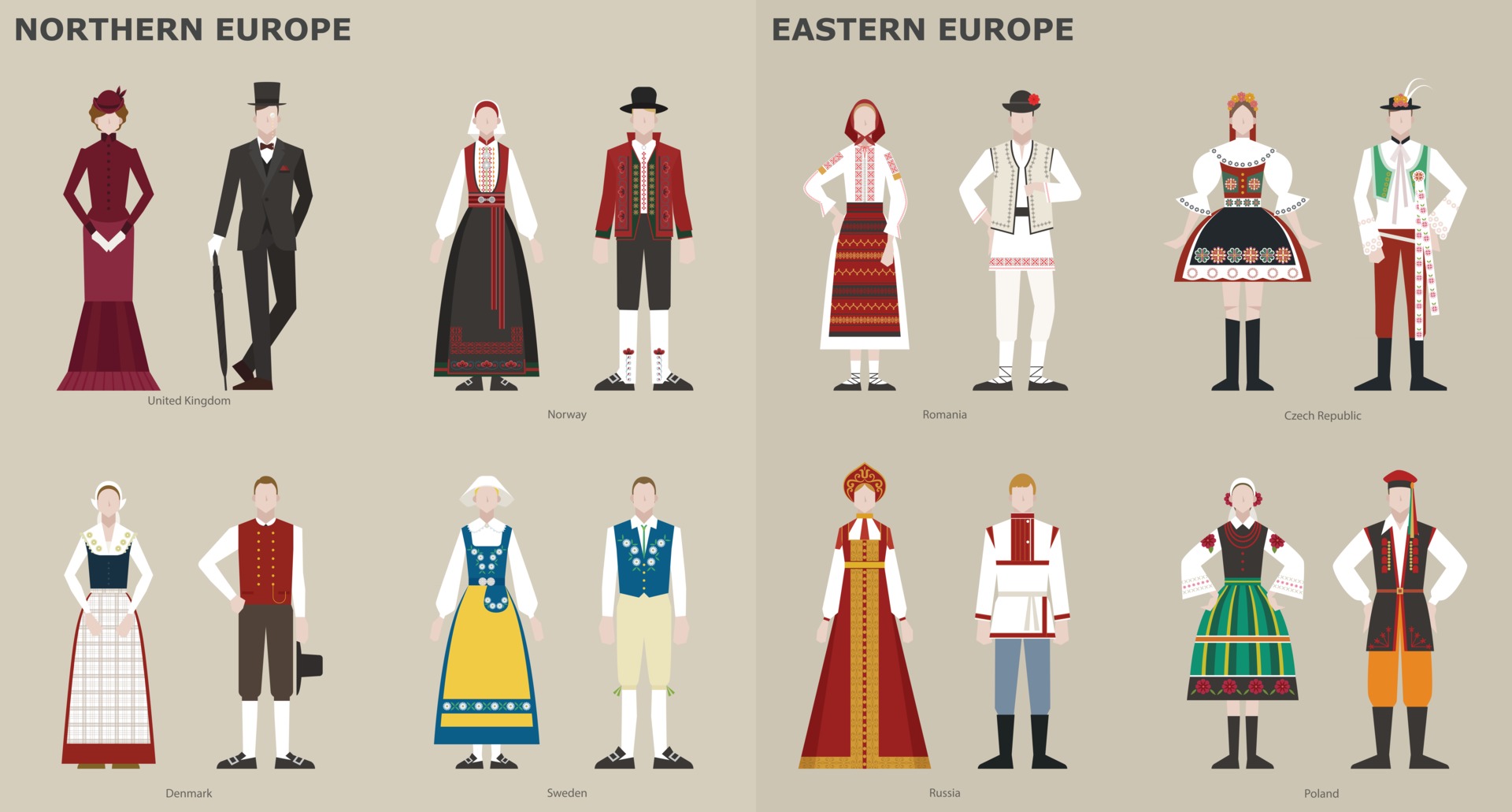
CULTURAL DESIGN & GLOBAL ETHICS
A rigorous study of the moral frameworks of modern design. This pillar focuses on protecting the intellectual property of traditional artisans and mastering the boundary between Cultural Appreciation and Appropriation, ensuring a respectful global design footprint.
Cultural Design & Global Ethics serves as the moral compass of the fashion curriculum. This pillar ensures that the designer's creative output is not only aesthetically innovative but also legally compliant and socially responsible in an increasingly regulated global market.
Instructor Profile
Prerequisites
Description
Course Topics & Modules
1. Appreciation vs. Appropriation: The Ethical Framework
The Power Dynamics of Design: Analyzing the historical context of global motifs and the ethical boundaries of borrowing from marginalized or indigenous cultures.
Case Studies in Global Heritage: A deep dive into the 2026 legal landscape regarding the use of traditional patterns (e.g., Palestinian Tatreez or Mexican Tenango) without authorization.
The Collaboration Model: Developing strategies for equitable partnerships with traditional artisans, ensuring they receive "Benefit Sharing" and proper intellectual property (IP) credit.
2. Circularity & The "Take-Back" Mandate
Designing for Longevity: Planning the lifecycle of a garment at the sketch stage to ensure it is durable, repairable, and recyclable.
The Take-Back Logistics: Designing the business architecture for 2026 "Closing the Loop" programs, where the brand manages the return and recycling of its own products.
Mono-Materiality & Recyclability: Selecting textiles that are chemically compatible for high-speed industrial recycling (e.g., designing 100% natural fiber garments to facilitate automated sorting).
3. Supply Chain Transparency & Digital Product Passports (DPP)
The Journey of the Fiber: Mastering the 2026 requirement for the Digital Product Passport, which allows consumers to scan a garment to see its ethical "DNA"—from farm to factory.
Labor Ethics & Human Rights: Evaluating the social impact of manufacturing and ensuring compliance with the Fair Wear Foundation and Fashion Revolution standards.
Sustainable Material Sourcing: Auditing suppliers for GOTS (Global Organic Textile Standard) and RCS (Recycled Claim Standard) certifications.
4. Inclusive Branding & Social Identity
Democratizing Design: Ensuring that the marketing and "The Narrative" of the collection reflect the Inclusive Fit & Diversity values learned in the technical stages.
Anti-Greenwashing Strategy: Learning to communicate sustainability efforts with honesty and data-driven evidence to avoid the 2026 legal penalties for misleading environmental claims.
Cultural Preservation Projects: Conceptualizing a community-based design project that uses fashion to revitalize a dying craft or support a social cause.
2026 Learning Outcome
Upon completion, students will be able to produce an Ethical Audit for their final collection. They will possess the "Global Literacy" to navigate sensitive cultural boundaries and the strategic knowledge to launch a brand that is fully compliant with the 2026 circular economy, making them highly attractive to major houses like LVMH and Kering.
Course Rules
Ready to Enroll?
Preserve your seat by filling in the application form, upload a sample of your artwork, or provide your Artstation account for revision. Kindly, Do Not pay unless you have a confirmation message from us that you are accepted in this course.