THE NARRATIVE OF COSTUME

The Narrative of Costume serves as the bridge between historical fact and dramatic fiction. It treats fashion not as a product, but as a tool for character development and cultural storytelling.

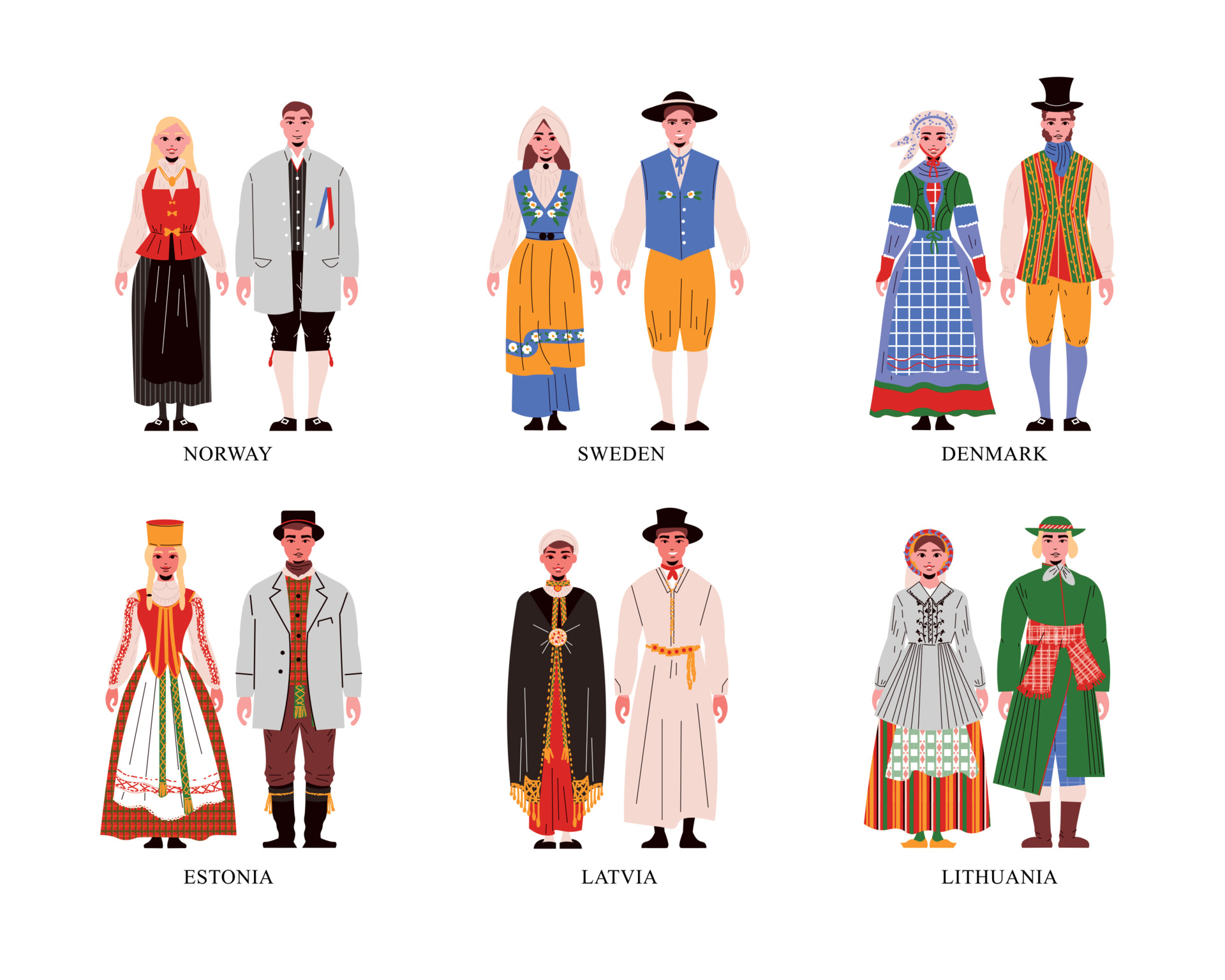
The Narrative of Costume is the study of "The Body in Context." In this course, students learn that every garment is a visual biography of the wearer, reflecting their social status, psychological state, and historical environment. For the 2026 designer, mastering costume is essential for high-fashion storytelling and dramatic production. By deconstructing the structural "architecture" of past eras—from ancient draped civilizations to the rigid silhouettes of the Industrial Revolution—students learn to create costumes that are historically resonant yet performance-ready. This module emphasizes the deconstruction of global heritage to build authentic characters for stage and film, ensuring that every stitch serves a dramatic purpose and honors the cultural legacy it represents.

Batch:
Type: Online
Fees: 0.00
Next Batch
Duration: 
Sessions: 0
Course Image

Instructor Profile

Prerequisites

Description

Course Topics & Modules

1. Character Archetypes & Script Analysis

The Psychological Palette: Using color theory and textile weight to signal a character’s emotional journey (e.g., transitioning from heavy, dark wools to light, fluid silks).

Visual Hierarchy: Designing costumes that immediately communicate power dynamics, wealth, or social exclusion within a dramatic ensemble.

Action-Based Design: Analyzing scripts for physical requirements—designing for stage combat, dance, or extreme movement without breaking the historical silhouette.

2. Global & Historical Costume Deconstruction

Ancient & Classical Drapery: Studying the "Architecture of the Uncut Cloth" in Egyptian, Greek, and Roman dress, and its use in modern epic drama.

The Structured Frame (Renaissance to Victorian): A deep dive into the engineering of corsetry, farthingales, and bustles to create the exaggerated anatomical proportions of European history.

Regional Cultural Heritage: Analyzing the construction and symbolism of the Japanese Kimono, Middle Eastern Kaftan, and Indian Sari for authentic representation in global storytelling.

3. Cultural Symbolism & Sacred Adornment

Motifs of Identity: Researching the specific meanings of tribal patterns, embroidery styles (like Palestinian Tatreez), and ceremonial colors to avoid cultural misrepresentation.

Sacred vs. Secular Dress: Understanding the boundaries of religious and ceremonial attire in historical drama to ensure ethical costume design.

Jewelry as Narrative: Designing accessories that act as "Talismans" or symbols of office (crowns, scepters, medals) for dramatic characters.

4. The "Lived-In" Aesthetic (Aging & Distressing)

Textile Archaeology: Manual techniques to make new fabric appear aged, weather-worn, or battle-damaged using pigments, sandpaper, and purified oils.

Atmospheric Storytelling: Creating "The Double"—multiple versions of the same costume in various states of decay to reflect the character's progression through a story.

5. Technical Execution for Performance

The Stage Scale: Adjusting manual embroidery and embellishment so that the "Artistry" is visible to an audience from a distance under theatrical lighting.

Ergonomic Period Fit: Mastering the "Modern-Historical Hybrid"—ensuring a 19th-century silhouette is comfortable and breathable for a 2026 performer.

2026 Learning Outcome

Upon completion, students will be able to produce a Character Design Portfolio that includes a fully realized historical or cultural costume. They will possess the research skills to justify every design choice through a historical and dramatic lens, making them ready for roles in Global Film Studios and International Theater Houses.

Course Rules

Ready to Enroll?

Preserve your seat by filling in the application form, upload a sample of your artwork, or provide your Artstation account for revision. Kindly, Do Not pay unless you have a confirmation message from us that you are accepted in this course.