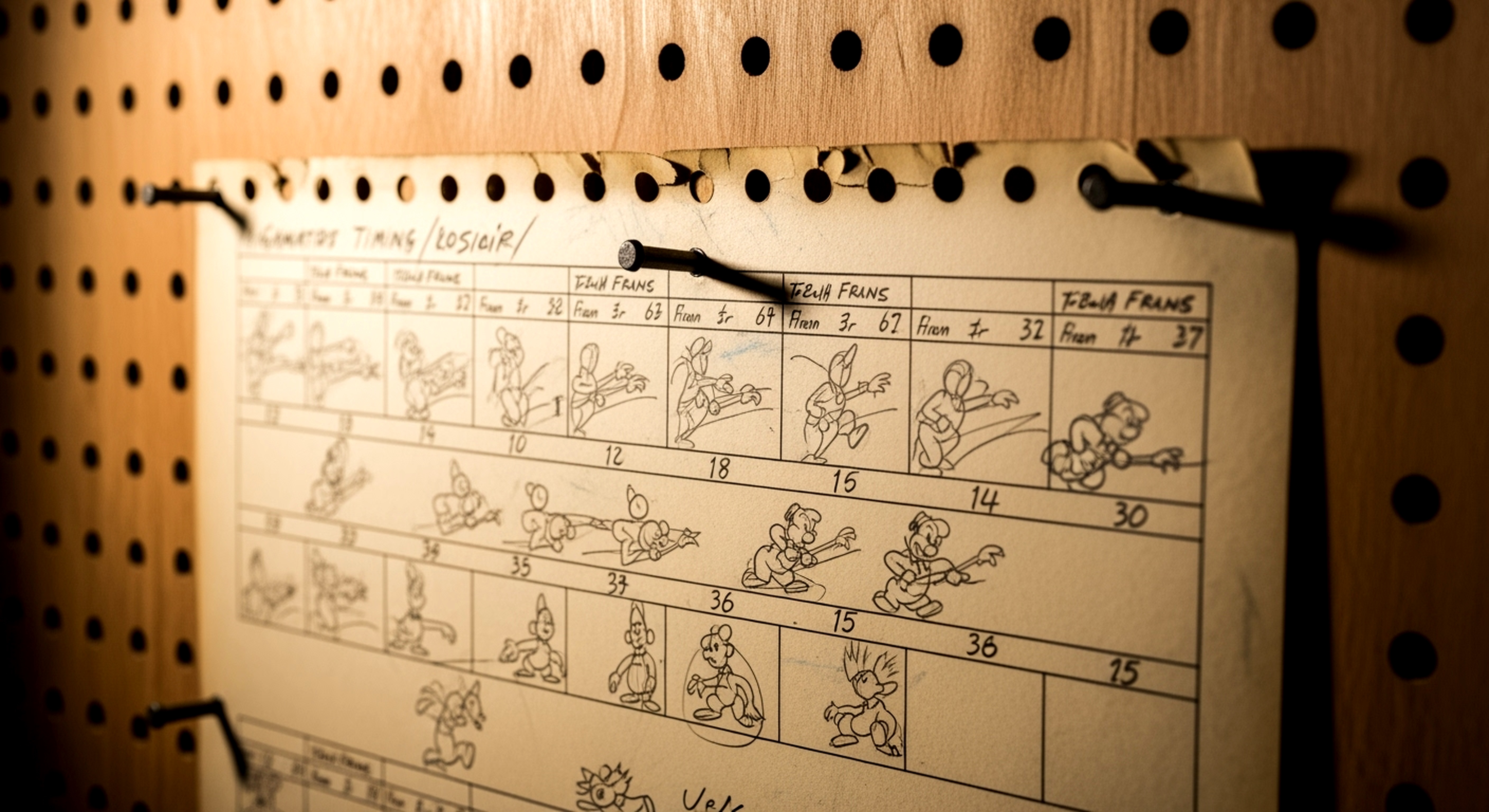
Foundational Storyboarding & Visual Storytelling

Foundational Storyboarding & Visual Storytelling is where a script first takes visual flight, transforming abstract ideas into a concrete cinematic plan. This stage focuses on the "language of film," teaching you how to use composition, camera angles, and perspective to guide the viewer’s eye and evoke specific emotions. You’ll learn to break down a narrative into its essential story beats, ensuring that every frame serves the plot while maintaining logical visual continuity. By mastering these core principles, you gain the ability to direct the "acting" and pacing of a scene long before a single frame of final animation is produced.

Batch:
Type: Online
Fees: 4300.00 EGP
Next Batch
Duration: 3 Hrs.
Sessions: 12
Course Image

Instructor Profile

Prerequisites

Description

Specific Learning Objectives

By the end of this course, you will be able to:

Deconstruct a script: Translate written narrative beats into clear, sequential visual thumbnails.

Apply cinematic language: Utilize various shot types (close-ups, wide shots), camera angles (high/low), and the rule of thirds to guide audience focus.

Maintain visual continuity: Apply the 180-degree rule and screen direction principles to ensure scenes flow logically for the viewer.

Execute staging and posing: Create clear silhouettes and character poses that communicate emotion and intent without needing dialogue.

Master perspective and depth: Draw characters and props accurately within a 3D space using one- and two-point perspective.

Plan camera movement: Use standardized arrows and notation to indicate pans, tilts, and zooms within static panels.

Required Drawing Materials

You can complete this course using either traditional or digital tools, depending on your preference. 

Traditional Tools (Paper-based):

Graphite Pencils: A range of leads (2H for light roughs, 2B/4B for darker lines).

Non-Repro Blue Pencil: Used for initial sketches that won't show up if you scan or photocopy your work.

Paper: Standard copy paper or Storyboard Notebooks with pre-printed 16:9 panels.

Erasers: A kneaded eraser for highlights and a standard rubber eraser for clean-up.

Fine-liners: Black ink pens (like Sharpies or Microns) for final line work.

Digital Tools:

Drawing Tablet: A pressure-sensitive device like a Wacom or Huion tablet.

Software: Entry-level programs like Autodesk Sketchbook (free) or Storyboarder.

Computer: A reliable machine capable of running drawing software smoothly.

Course Rules

·         Attendance Policy: Participation is mandatory; exceeding a 15% absence rate will result in an automatic failure of the course.

·         Grading Criteria: Final grades are calculated based on a combination of consistent attendance, completion of practical assignments, and the quality of the final project.

·         Punctuality & Professionalism: Arriving late or leaving early frequently is often penalized as a partial absence. Students are expected to treat the classroom like a professional studio, maintaining high standards of conduct and communication.

·         Submission Deadlines: Late submissions for assignments or the final project are generally not accepted or are subject to significant grade deductions unless an official medical excuse is provided.

·         Originality & Academic Integrity: All motion assets, animations, and project files must be the student's original work. The unauthorized use of AI-generated assets or "stealing" project templates without significant modification is strictly prohibited and can lead to immediate disqualification.

·         Hardware & Software Requirements: Students must ensure their personal workstations meet the 2026 technical specifications for rendering (typically requiring high-end GPUs and 32GB+ RAM) to prevent project delays during the final rendering phase.

·         In-Class Engagement: Active participation in peer critique sessions is often a mandatory component of the "Attendance" grade, requiring students to provide constructive feedback on others' work. 

Ready to Enroll?

Preserve your seat by filling in the application form, upload a sample of your artwork, or provide your Artstation account for revision. Kindly, Do Not pay unless you have a confirmation message from us that you are accepted in this course.