2D Production
The 2D production pipeline is a systematic, step-by-step framework used to create 2D animated content, from initial idea to final delivery. This structured process is essential for organizing tasks, ensuring consistency, and bringing stories to life efficiently, whether for film, television, games, or marketing.
CONCEPTUAL ENVIRONMENT DESIGN
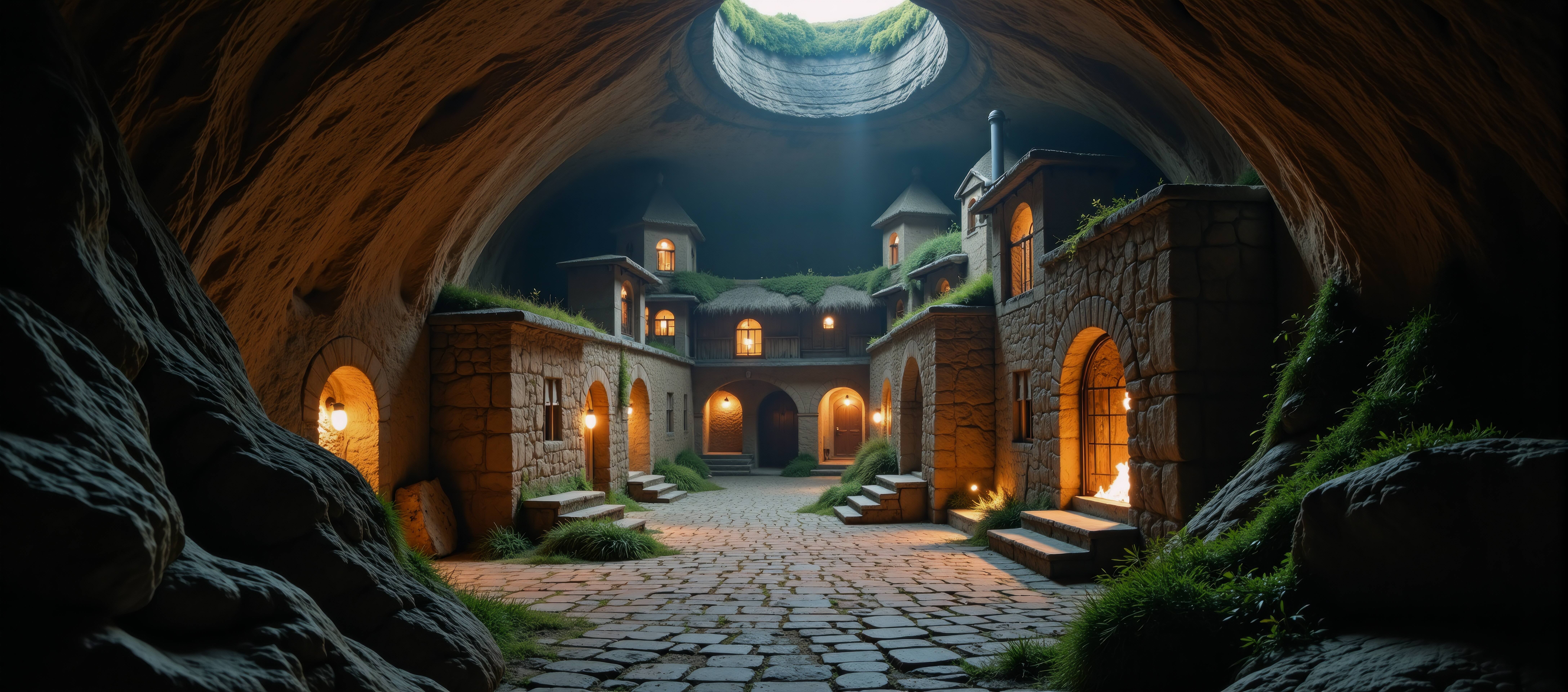
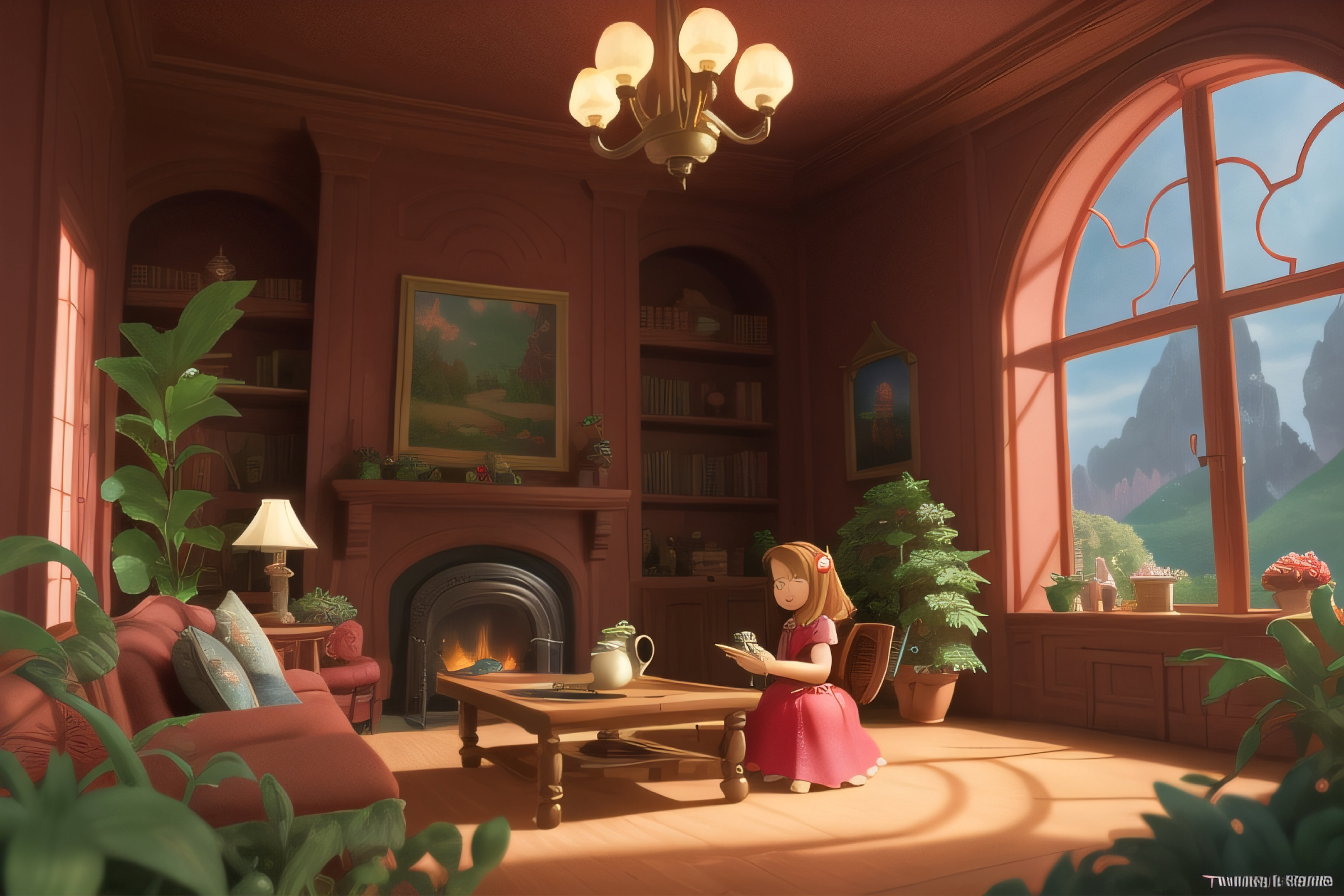
Conceptual Environment Design is a specialized discipline that merges architectural theory with imaginative world-building to create the foundational "look and feel" of a digital world. This course goes beyond simple painting, focusing on the psychology of space and narrative-driven design to establish the tone, scale, and history of an environment. Students learn to use shape language and atmospheric lighting to evoke specific emotions, transforming abstract ideas into believable landscapes for film, games, and VR. By combining artistic fundamentals with modern technical workflows—such as 3D blockouts and cinematic paint-overs—this program empowers designers to architect entire universes from the ground up. It involves designing the entire world or setting in which characters and stories exist. This discipline requires an understanding of architecture, nature, perspective, and color to set the visual tone, enhance the drama, and incite specific emotional responses in the audience. The course covers a mix of 2D and 3D techniques to build immersive and functional landscapes or interiors.

CHARACTER DEVELOPEMENT
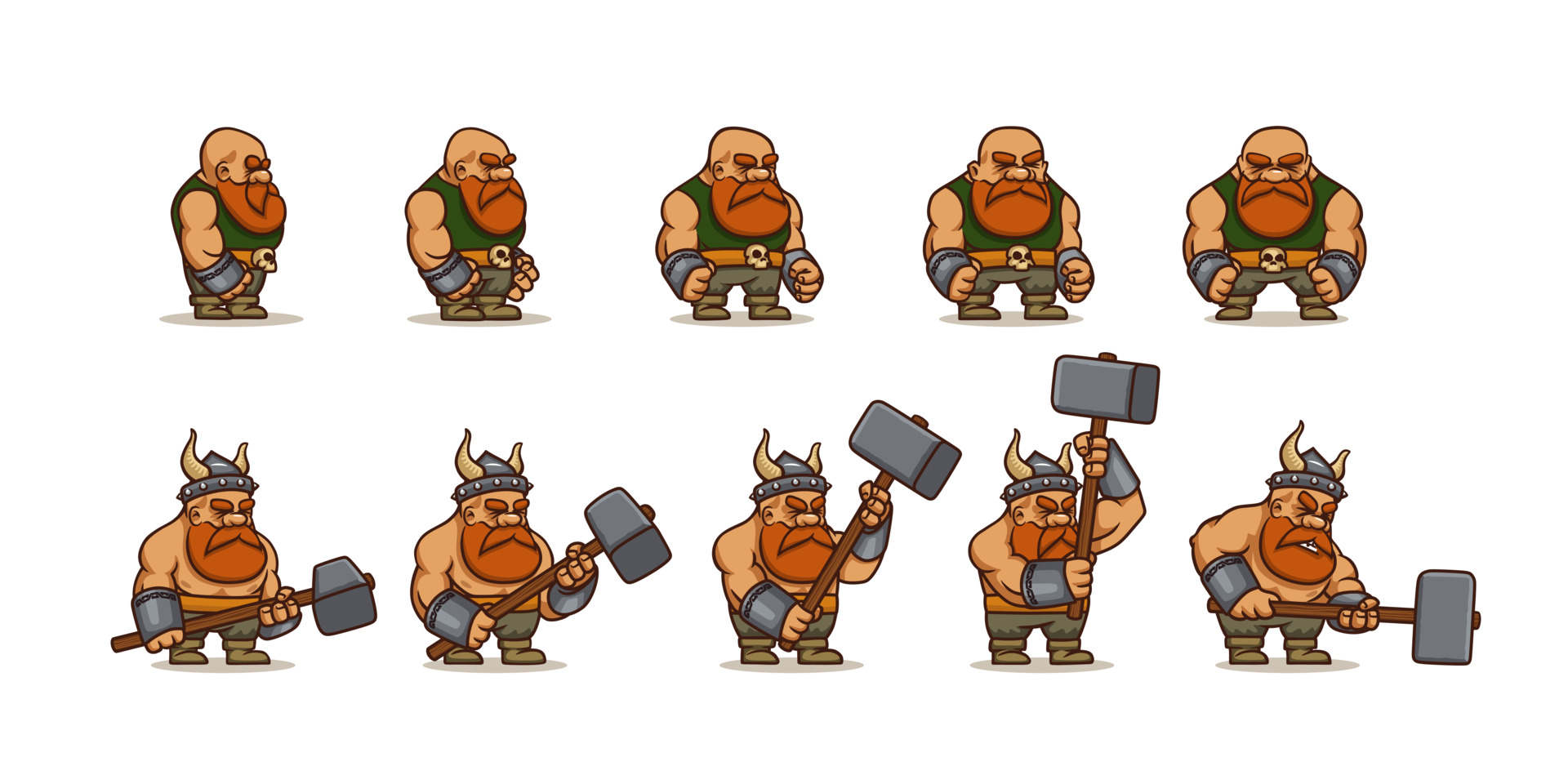
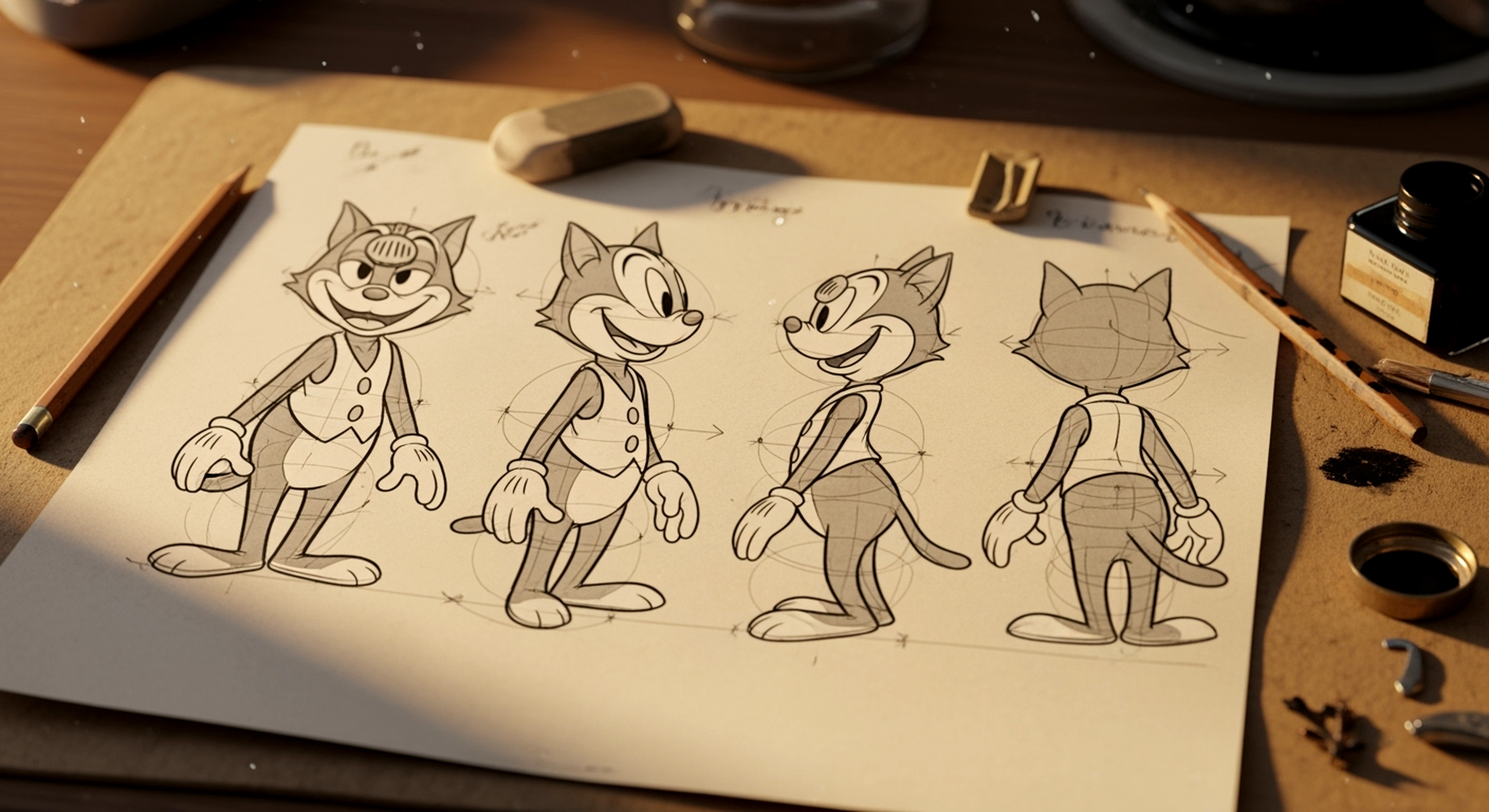
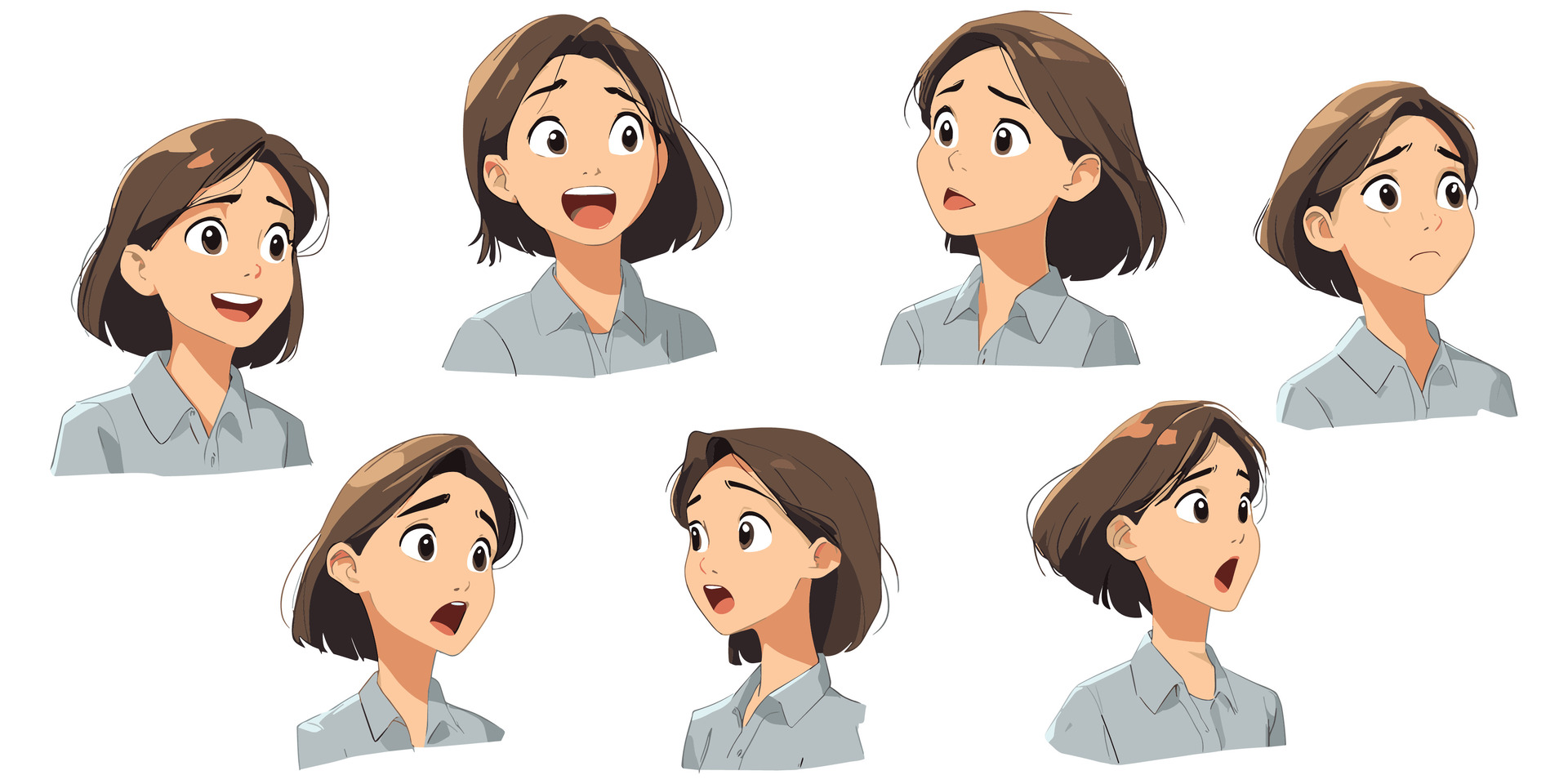
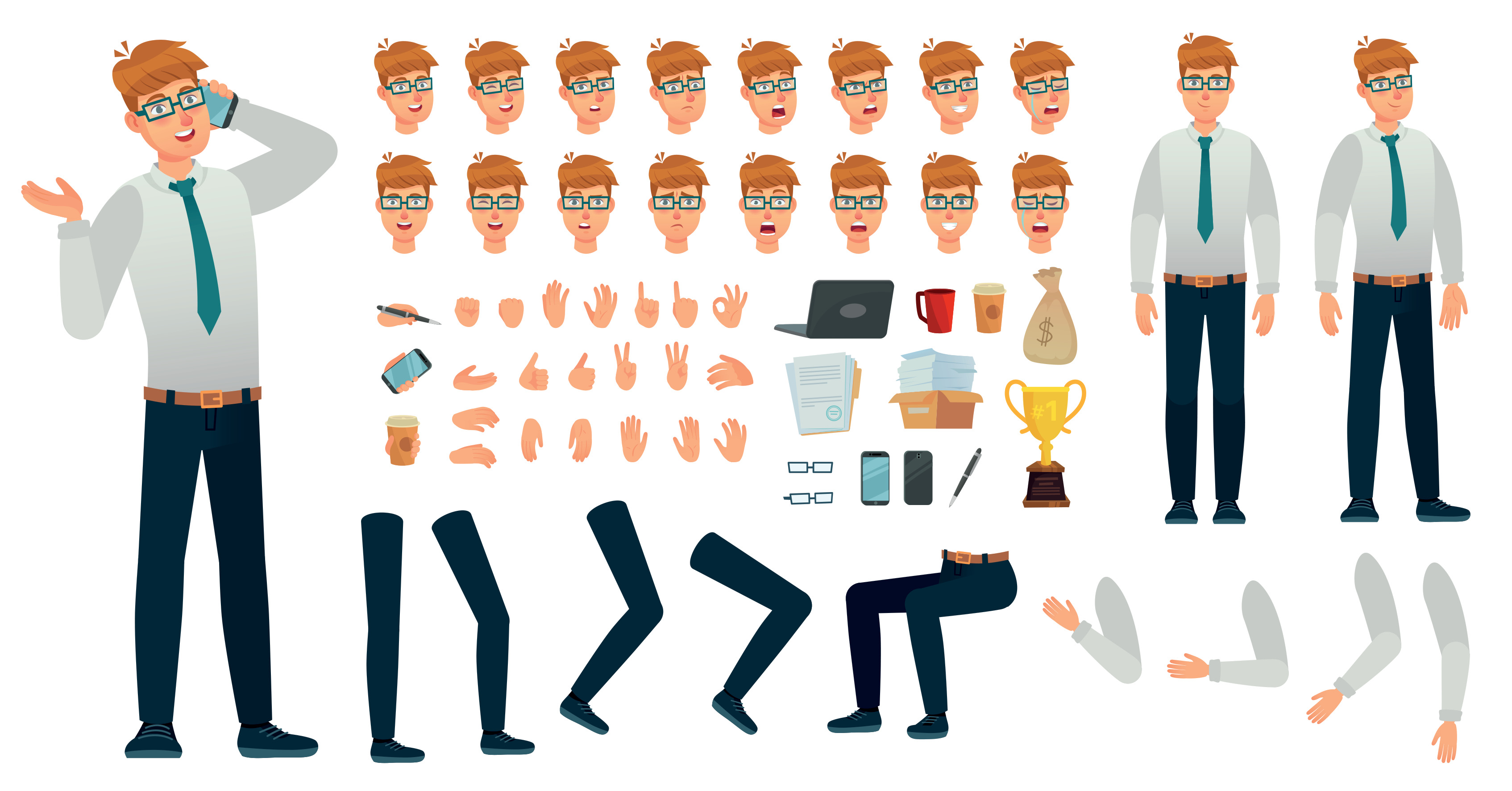
The 2D Character Design process is a strategic blend of artistic psychology and technical engineering, moving far beyond simple sketching. It begins with the application of shape language—using circles, squares, and triangles to subconsciously communicate a character's personality—and the development of a distinct silhouette to ensure recognizability. As the design matures, artists create comprehensive model sheets, including 360-degree turnarounds and expression charts, to maintain visual consistency across different animation frames. The final, critical stage involves technical layering, where the character is "broken apart" into a digital hierarchy of limbs and joints in software like Adobe Illustrator or Photoshop. This ensures the character is production-ready for modern cut-out rigging, allowing animators to manipulate the design with fluid, skeletal movements without losing the original artistic integrity.
2D ANIMATION
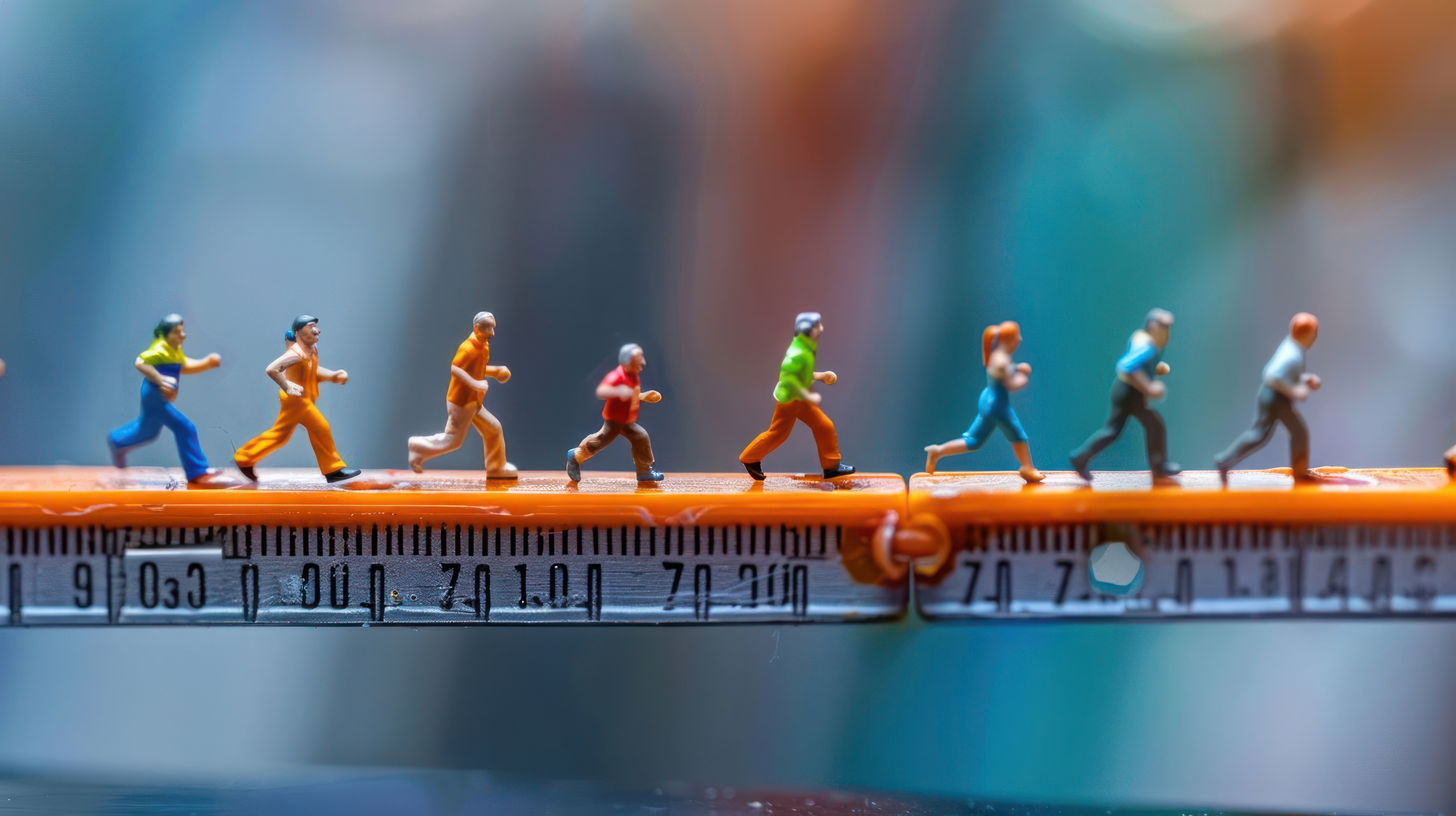
2D animation is the process of creating the illusion of movement in a two-dimensional space. Courses in this field move beyond static design to focus on the principles of motion. Students learn timing, spacing, walk cycles, and character performance to bring designs to life.