CHARACTER TEXTURING & GROOMING
Introduction
This course brings characters to life through physical properties, complex texturing, and digital hair creation. Students learn Physically Based Rendering (PBR) workflows to paint realistic skin, fabrics, and metals alongside grooming digital hair.
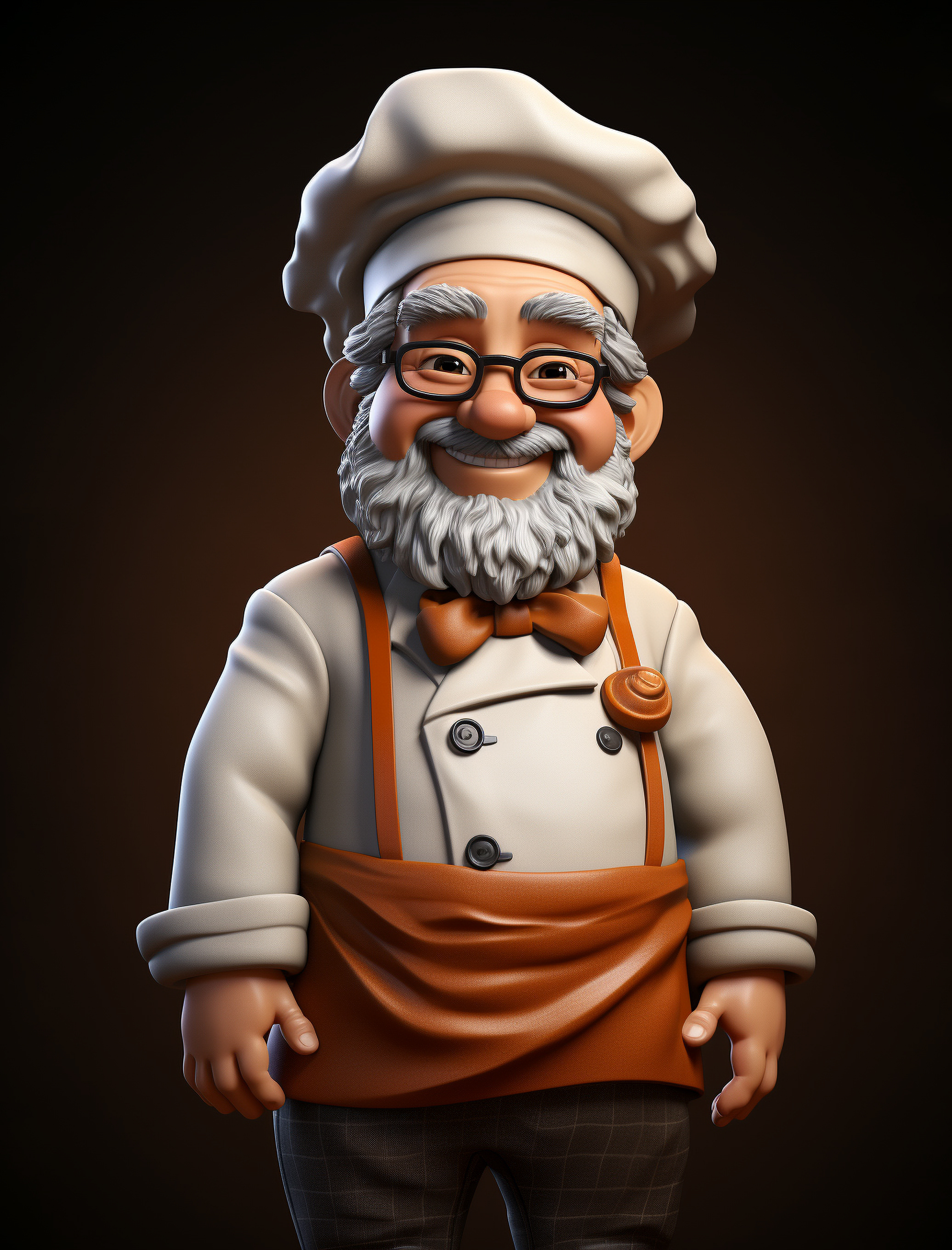
Instructor Profile

Prerequisites
Description
Topics Covered
• Baking high-poly details onto low-poly meshes (Normal, Curvature, ID maps)
• PBR texture painting: Base Color, Roughness, Metallic, and Subsurface Scattering (SSS)
• Painting skin tones: color zones, blemishes, veins, and micro-roughness variations
• Procedural texturing for fabrics, leather grain, weathered metals, and dirt paths
• Introduction to digital grooming engines (interactive hair guides and interpolation)
• Structuring hair card layouts for low-poly characters vs. strand-based hair for film
• Building complex shaders for eye reflections, wetness, and fabric sheen
• Exporting textures formatted for target real-time engines or offline renderers
Course Objectives
• Replicate realistic physical materials using layered digital painting systems.
• Construct convincing hair or fur structures using guide systems or cards.
• Manipulate subsurface scattering properties to create lifelike skin depth.
Learning Outcomes
• Texture a complete multi-material character prop package demonstrating realistic surface wear.
• Build a functioning hair groom configuration matching a conceptual hairstyle.
• Configure functional eye and skin shaders inside a rendering viewport.
Tools & Materials
• 3D texturing software (Substance 3D Painter)
• Grooming engine tools (Maya XGen or Blender Hair Particles)
• High-resolution PBR reference libraries
Course Rules
·
Ready to Enroll?
Preserve your seat by filling in the application form, upload a sample of your artwork, or provide your Artstation account for revision. Kindly, Do Not pay unless you have a confirmation message from us that you are accepted in this course.