EXTERIOR DESIGN
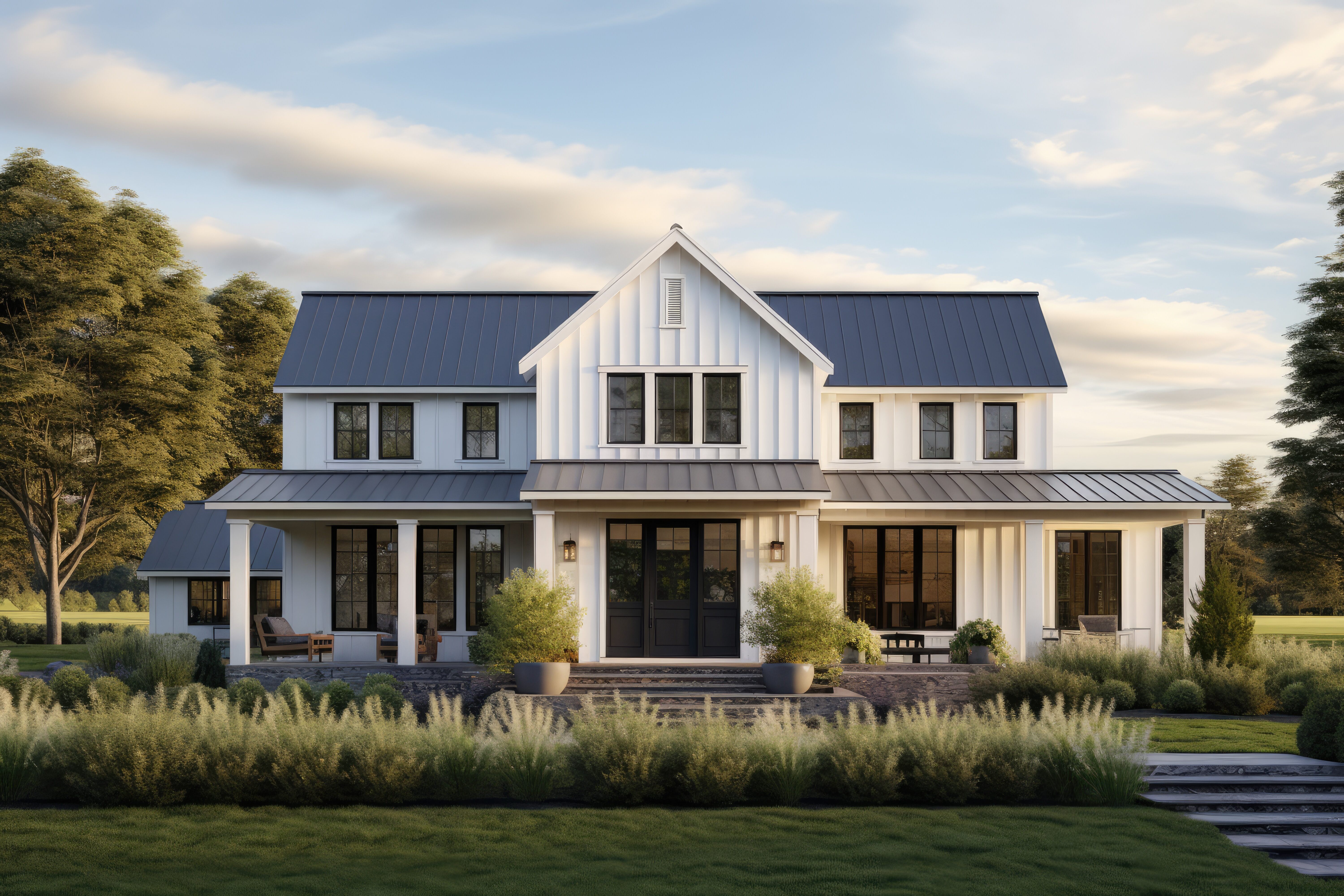
Exterior design courses bridge the gap between architectural structure and visual storytelling, focusing on how a building’s facade and surroundings impact its identity and functionality. These programs are designed for aspiring creative professionals looking to master the art of outdoor aesthetics.
Exterior Design Fundamentals
The exterior of a building is no longer viewed as a static shell, but as a high-performance, living interface between the architecture and the environment. This introductory pillar establishes the essential creative and strategic foundation required to design exteriors that are aesthetically iconic, culturally relevant, and environmentally responsible.
STRUCTURAL DESIGN / MANUAL CRAFT
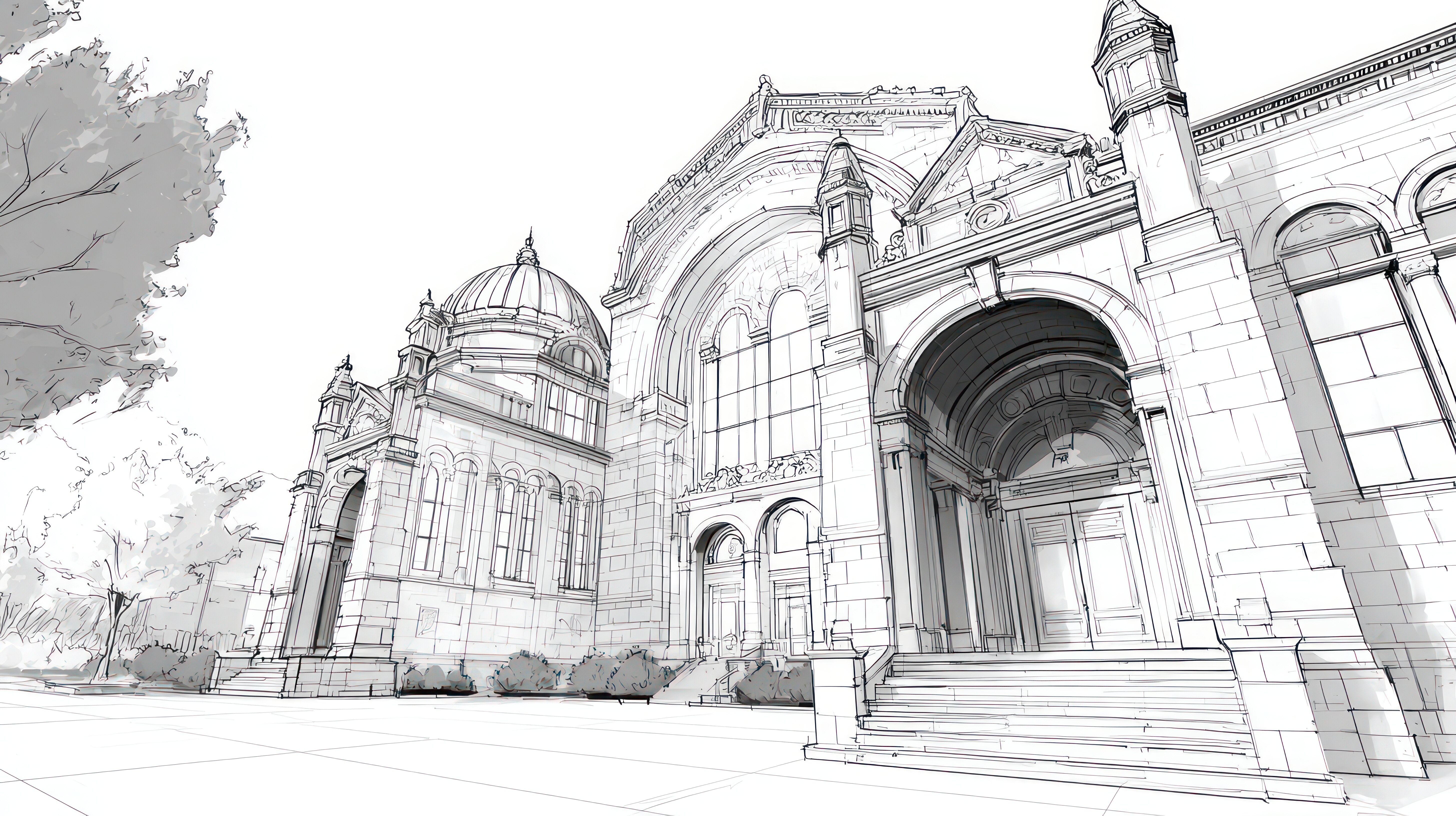
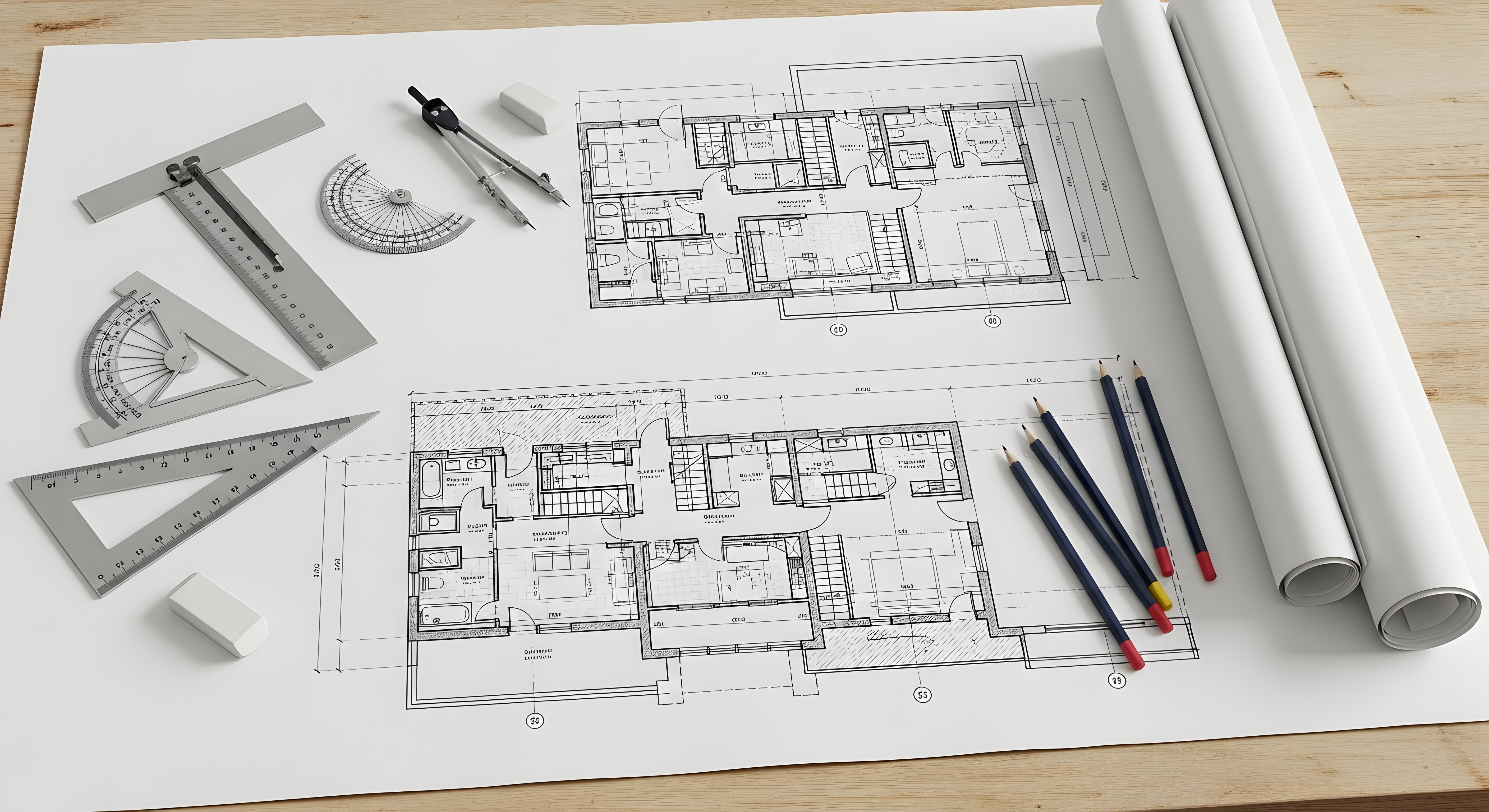
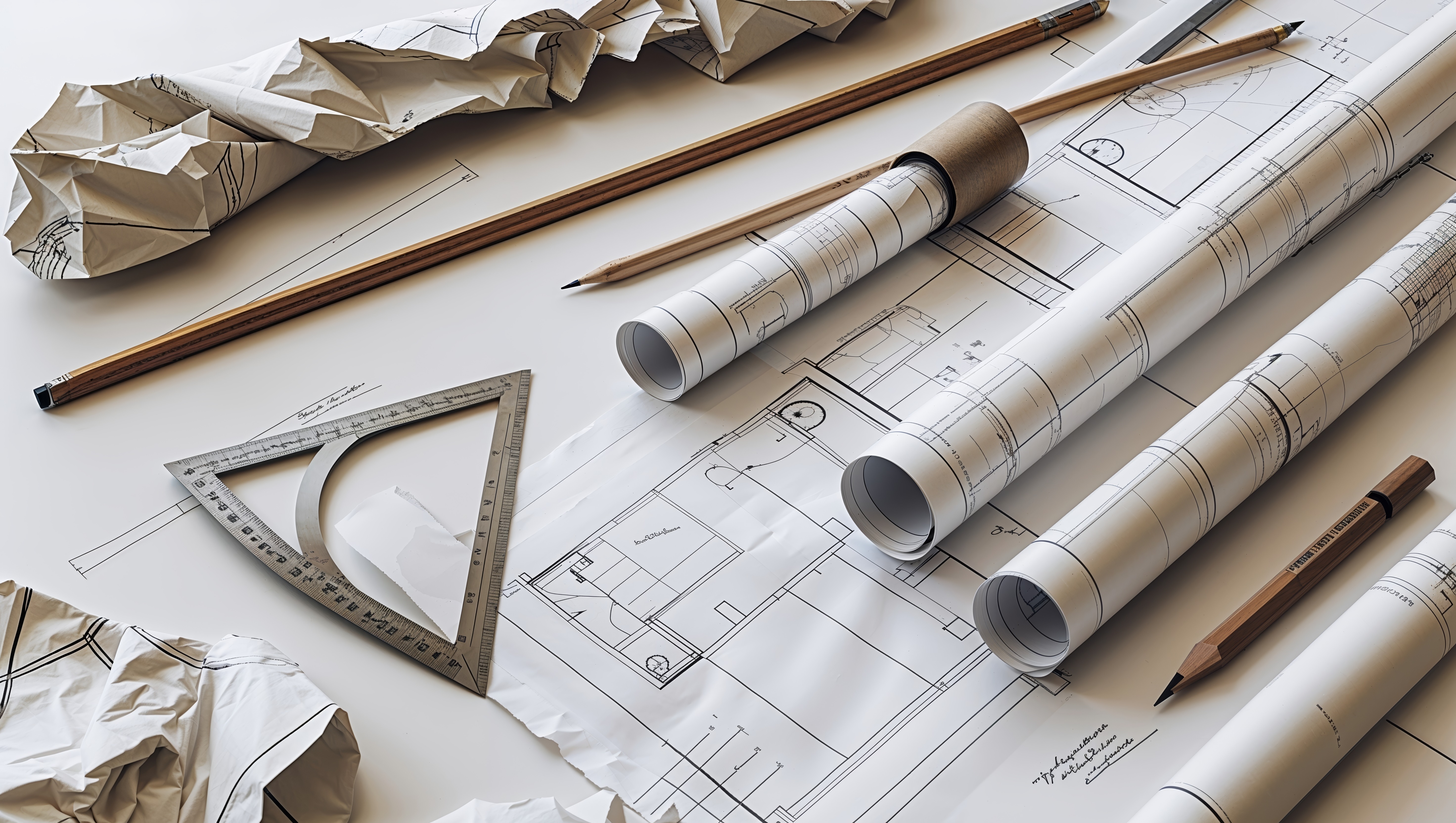
Before a single pixel is rendered, a designer must understand the physical laws that hold a structure together. Structural Design (Manual Craft) is where the "art of building" begins, stripping away the automation of software to focus on the raw logic of architectural form. This pillar trains the hand and eye to work in unison, teaching you to translate three-dimensional concepts into precise, two-dimensional technical drawings.
By mastering manual drafting, you gain an intuitive grasp of scale, proportion, and structural integrity that digital tools simply cannot replicate. This phase ensures that your designs are not just visually striking but also architecturally sound and grounded in the fundamental principles of engineering and spatial geometry.
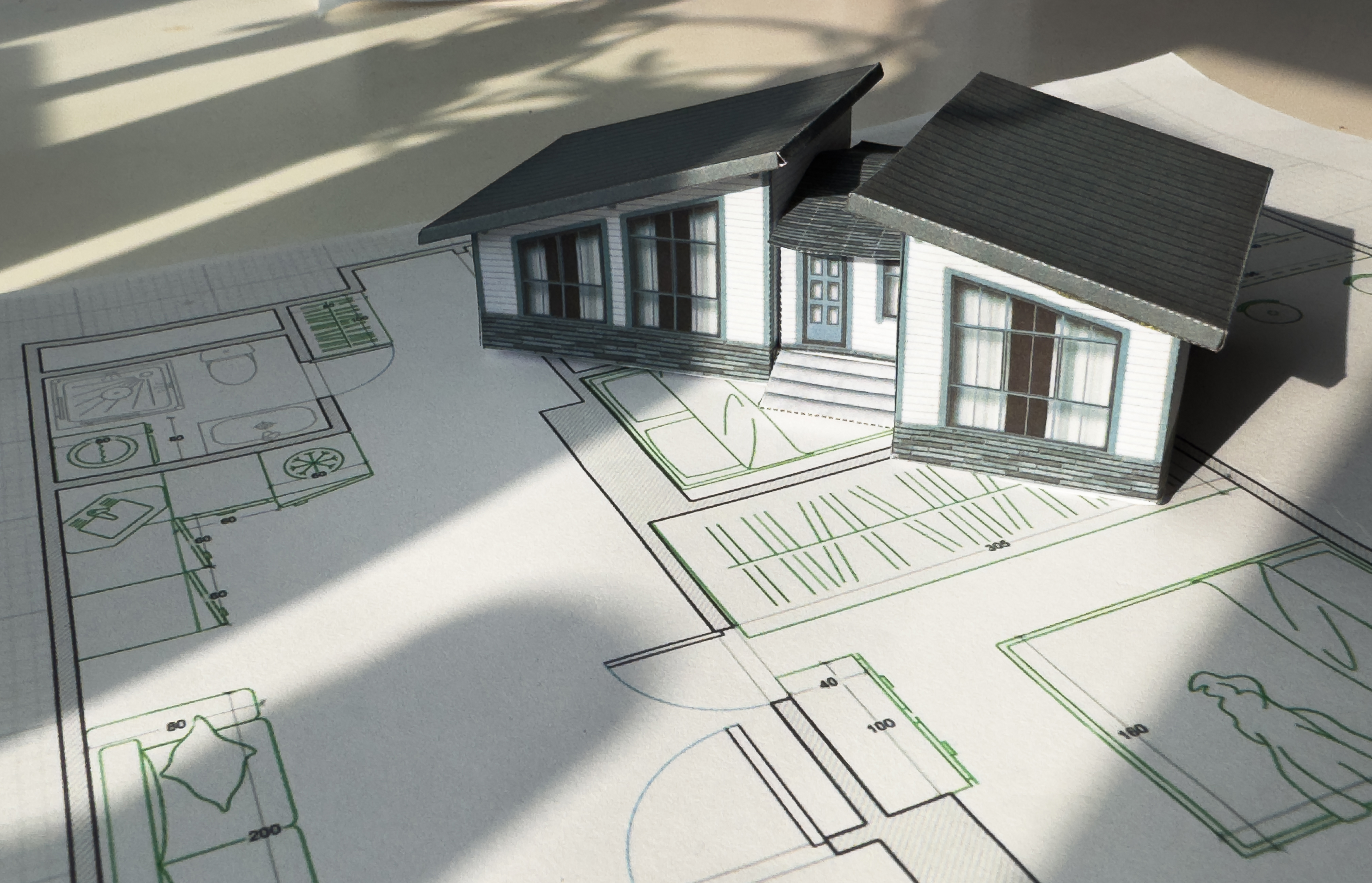
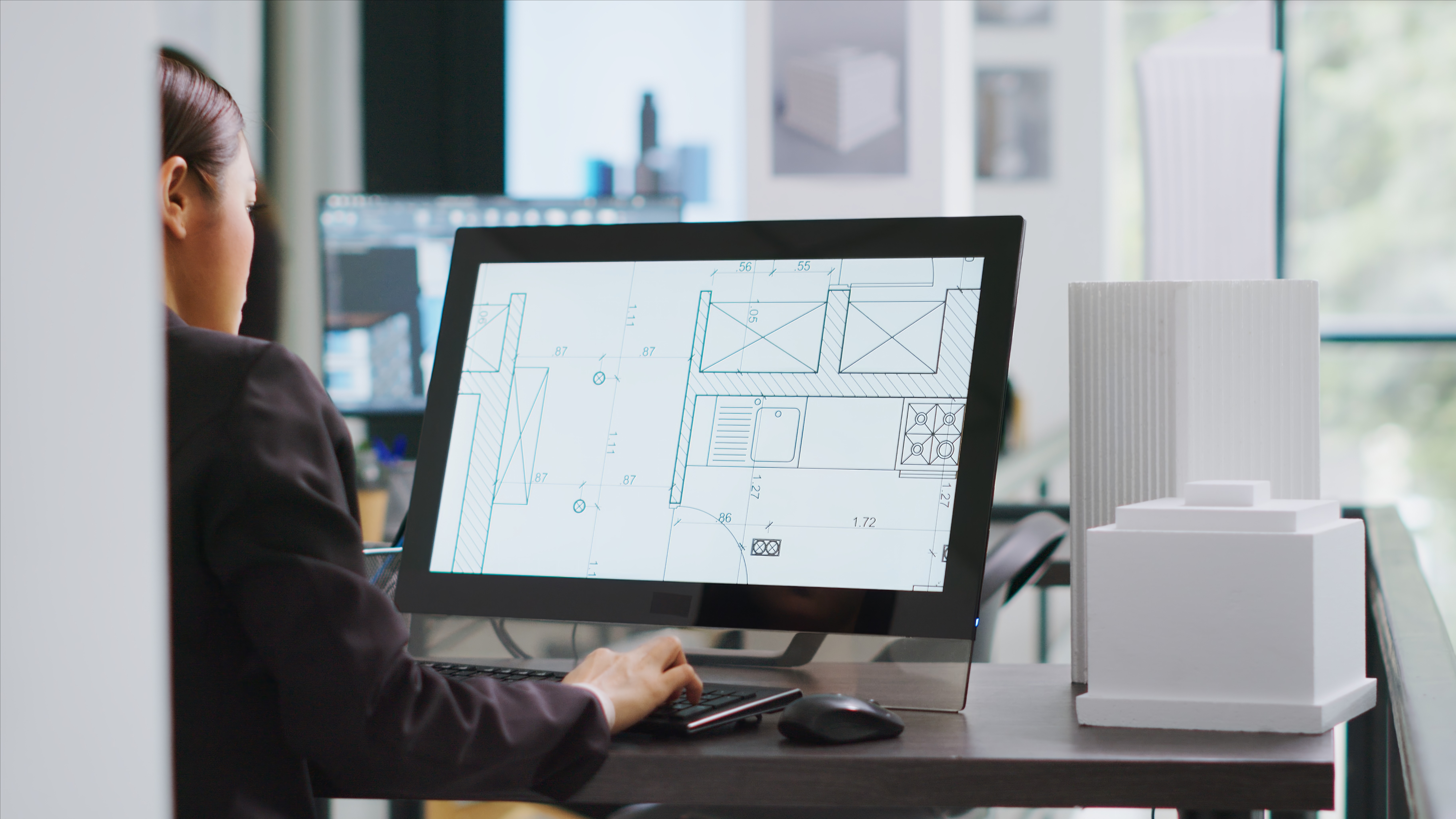
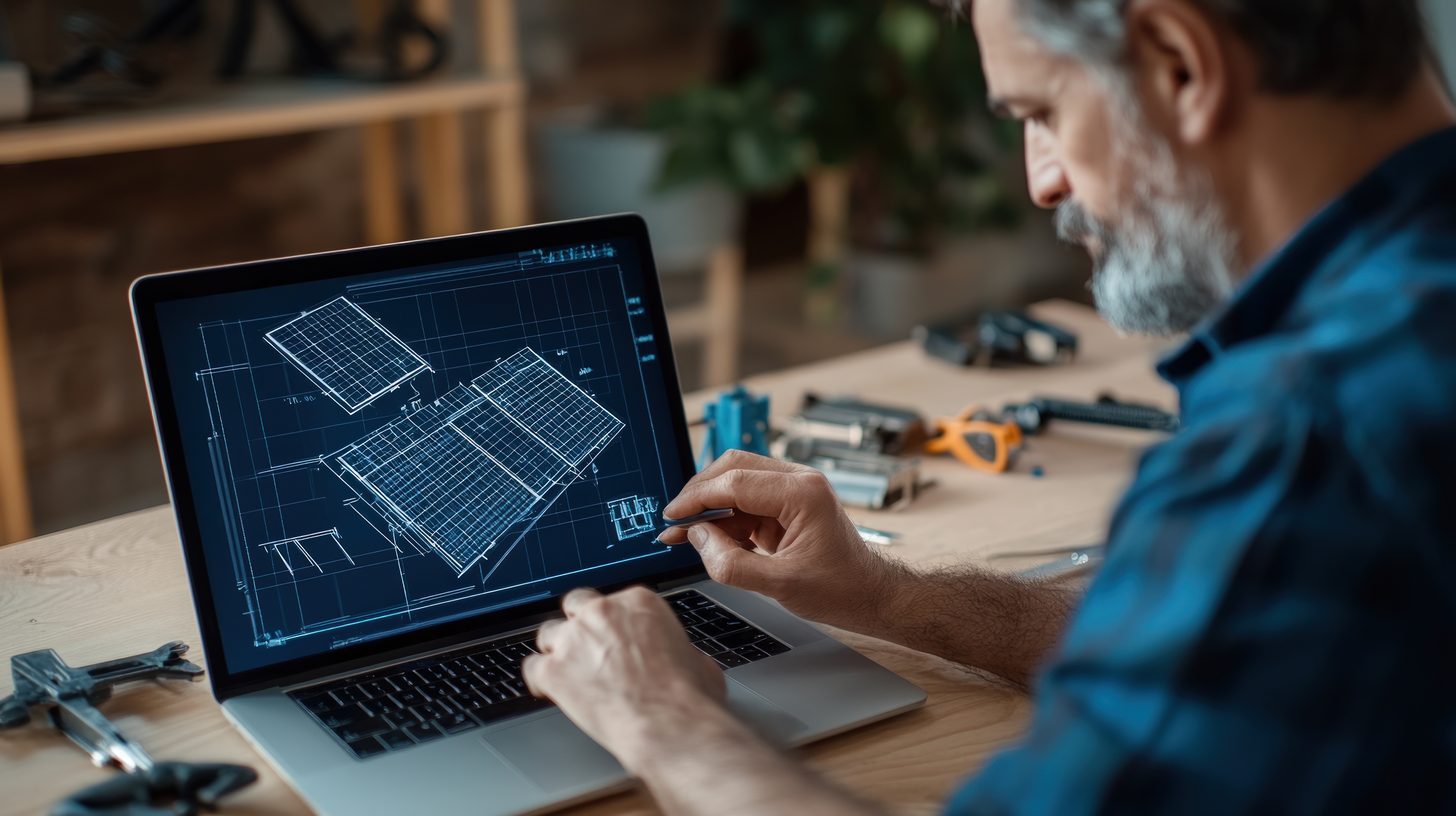
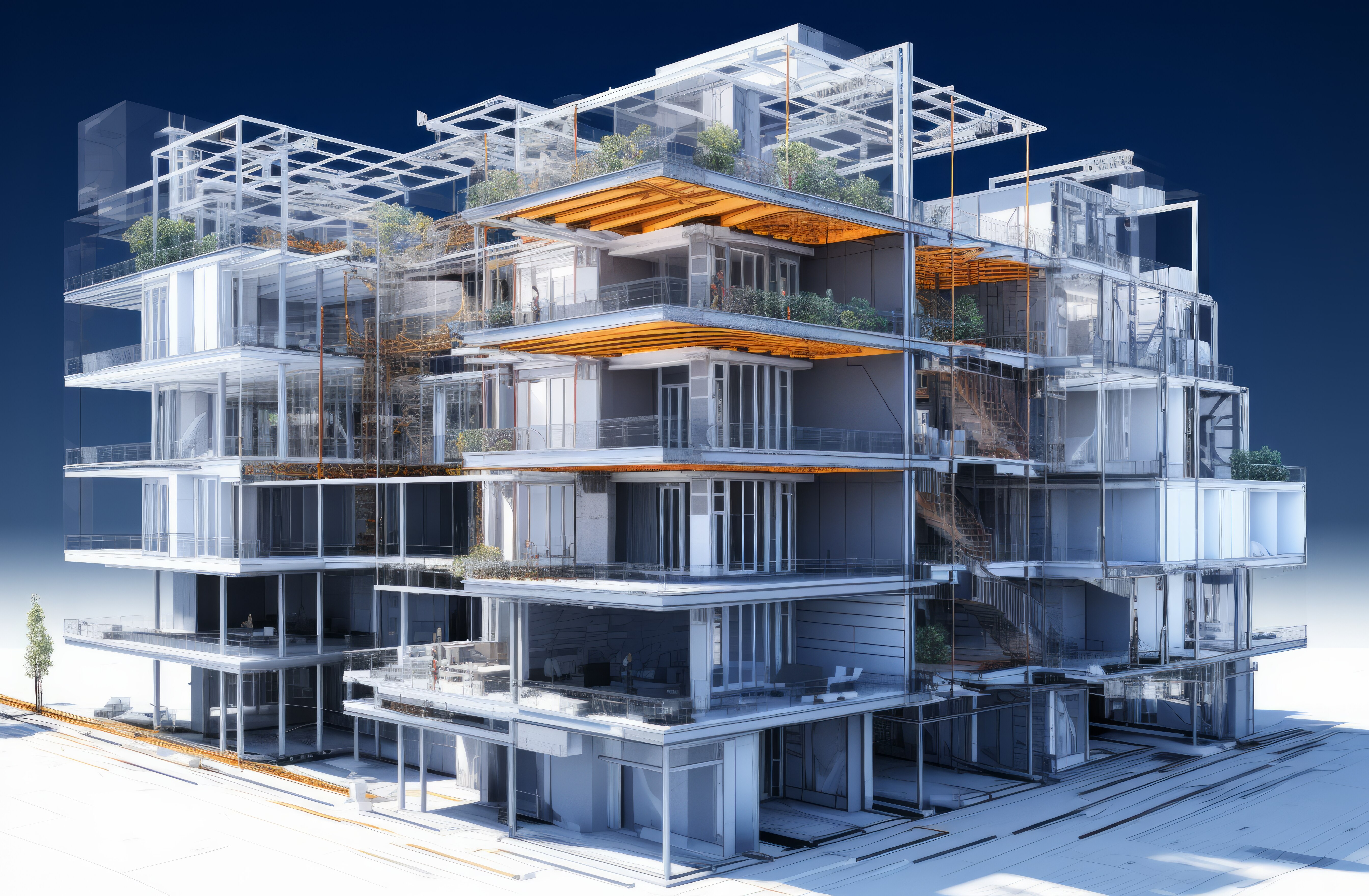
Welcome to the digital transformation. In this pillar, we move from the drafting table to the virtual construction site. Using Building Information Modeling (BIM), you will learn to build "Intelligent Models" where every digital brick and beam contains real-world data. This is the industry standard for 2026, allowing you to design with absolute precision, automate technical schedules, and ensure that your exterior designs are perfectly coordinated for the construction phase.
FACADE DESIGN & TECHNOLOGY
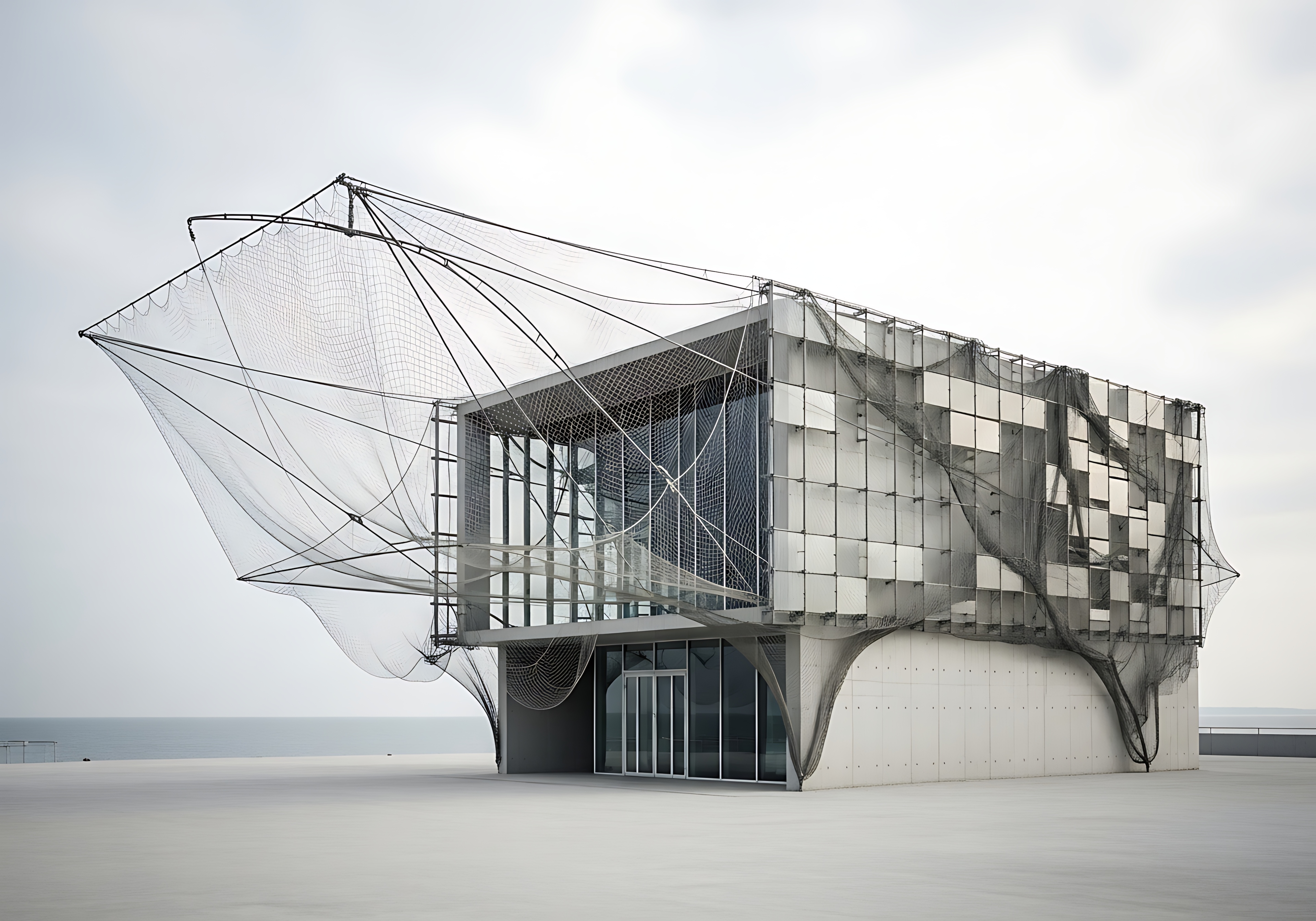
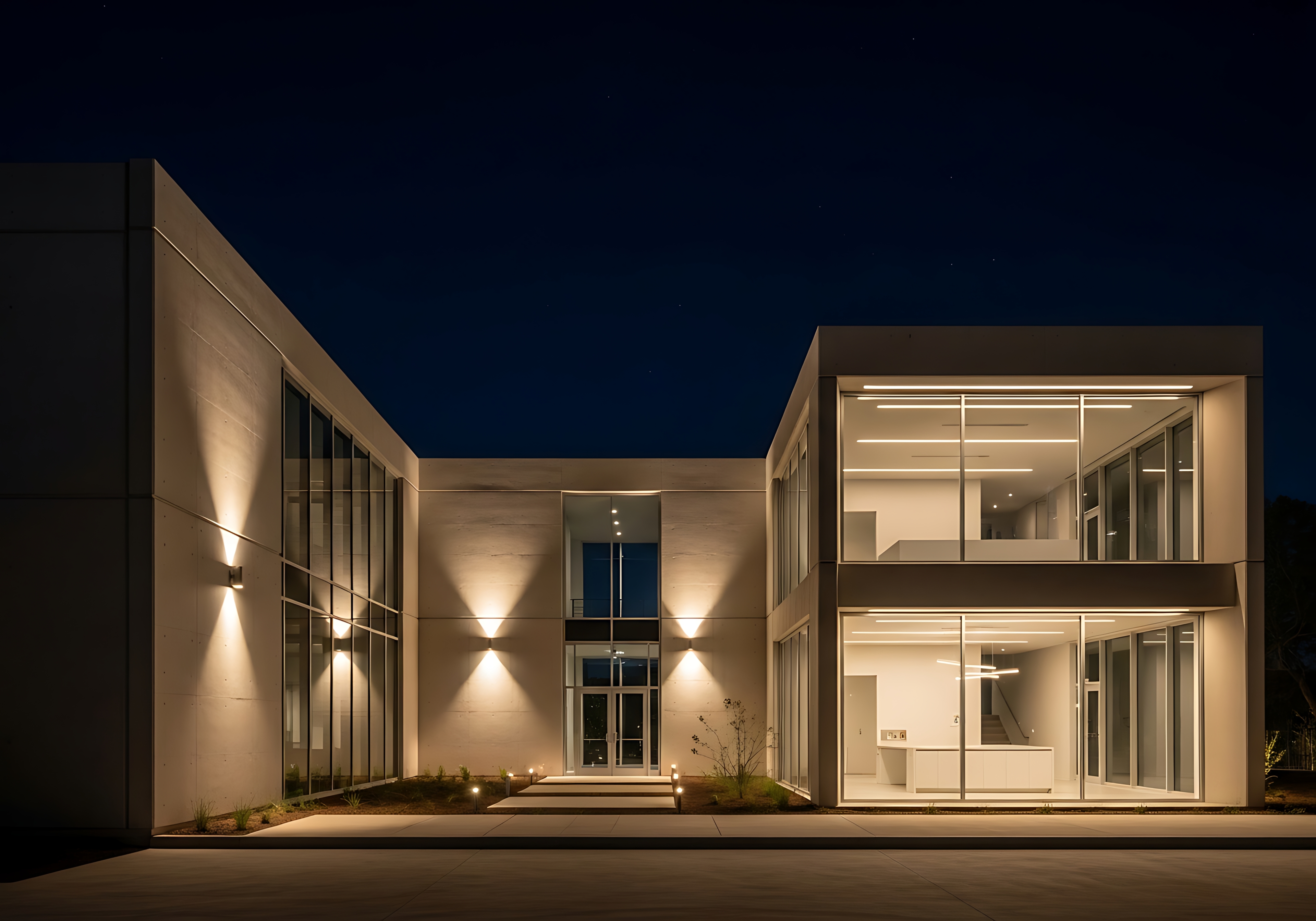
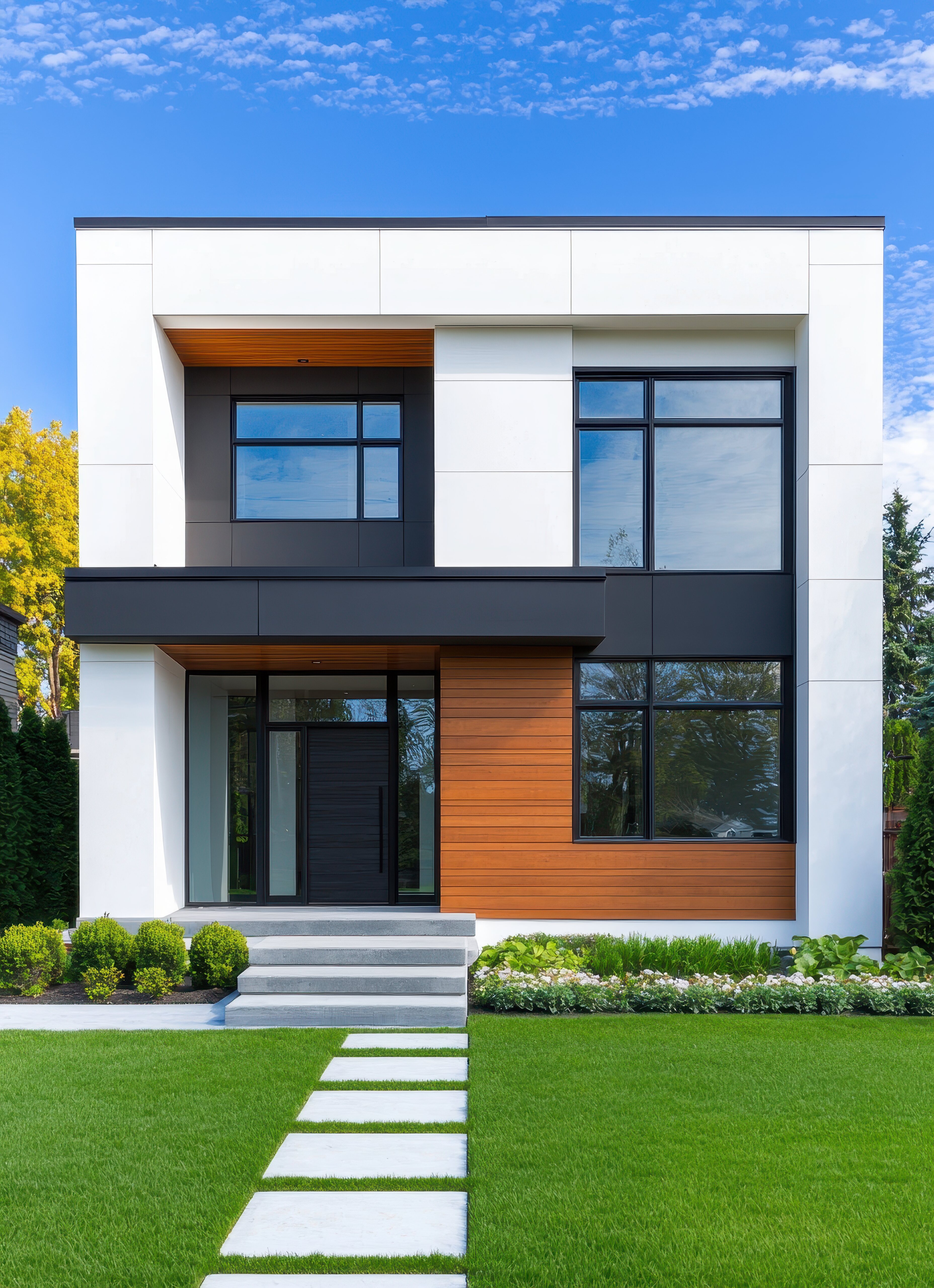
In modern architecture, the facade is more than just a "face"—it is a high-performance system that breathes, protects, and defines the building's identity. This pillar focuses on the Building Envelope, treating it as a specialized interface between the interior and the external environment. You will learn to merge high-end aesthetics with cutting-edge material science and environmental engineering, ensuring your designs are as sustainable as they are striking.

LANDSCAPE DESIGN / MANUAL MASTERY
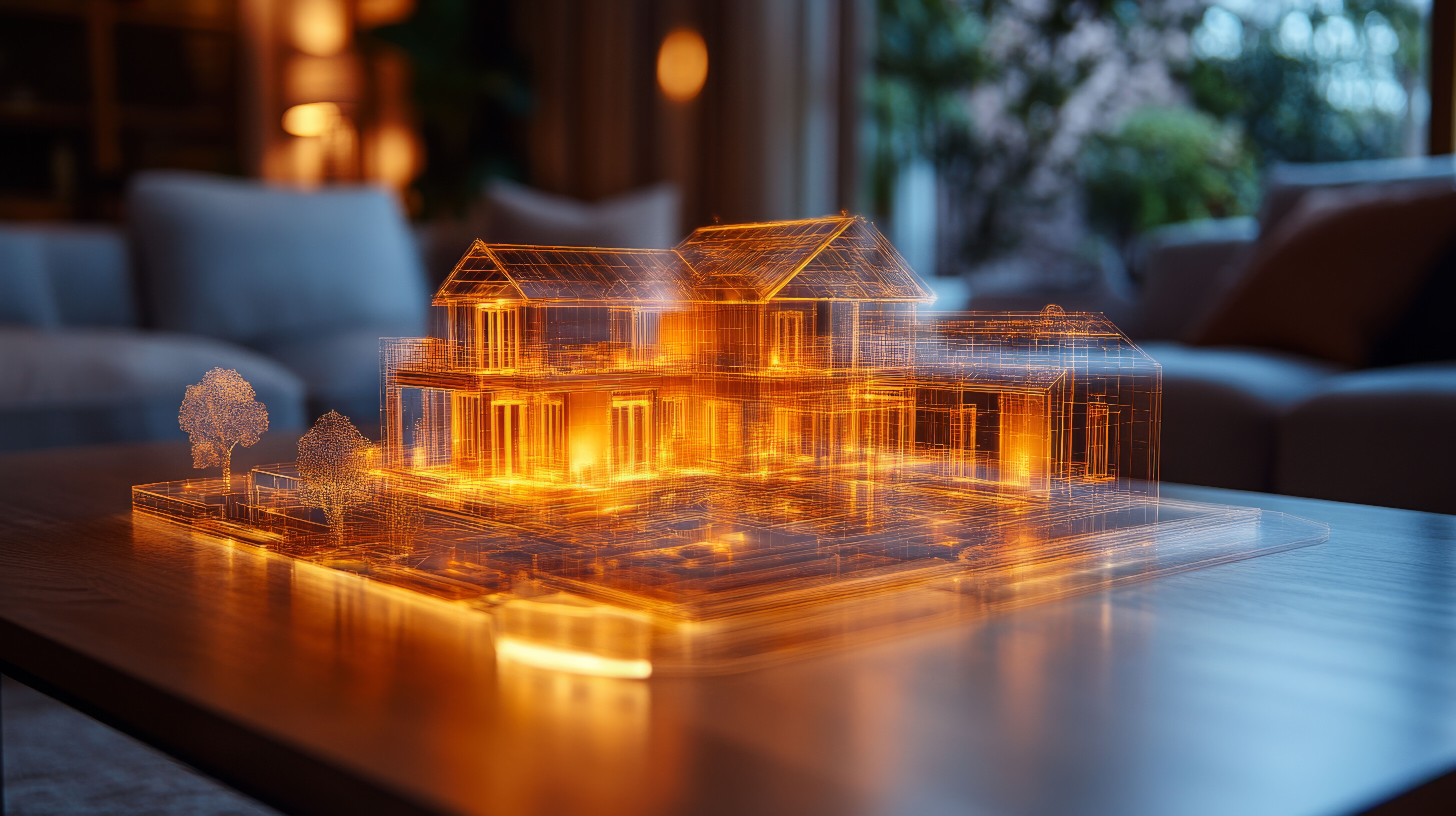
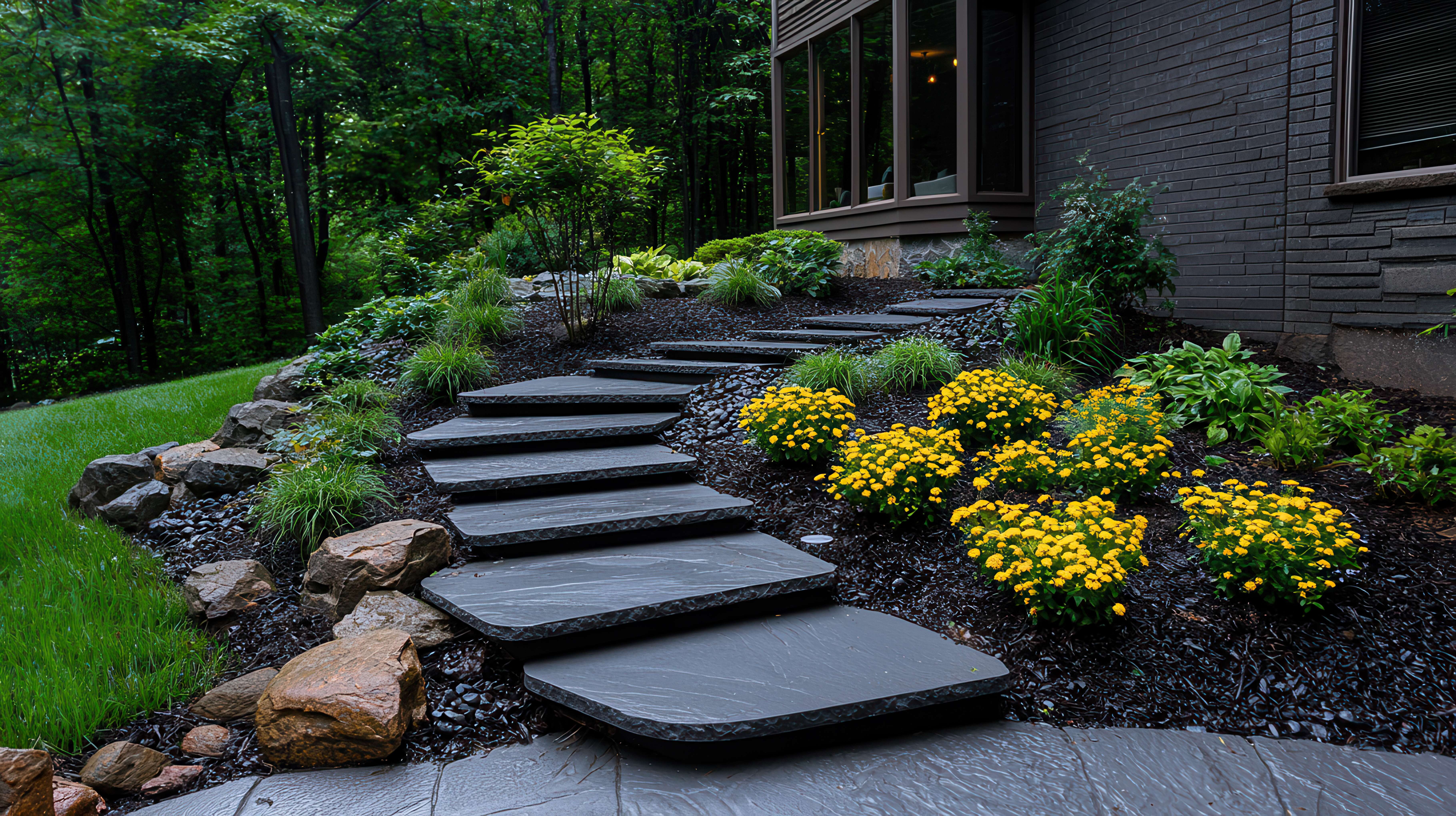
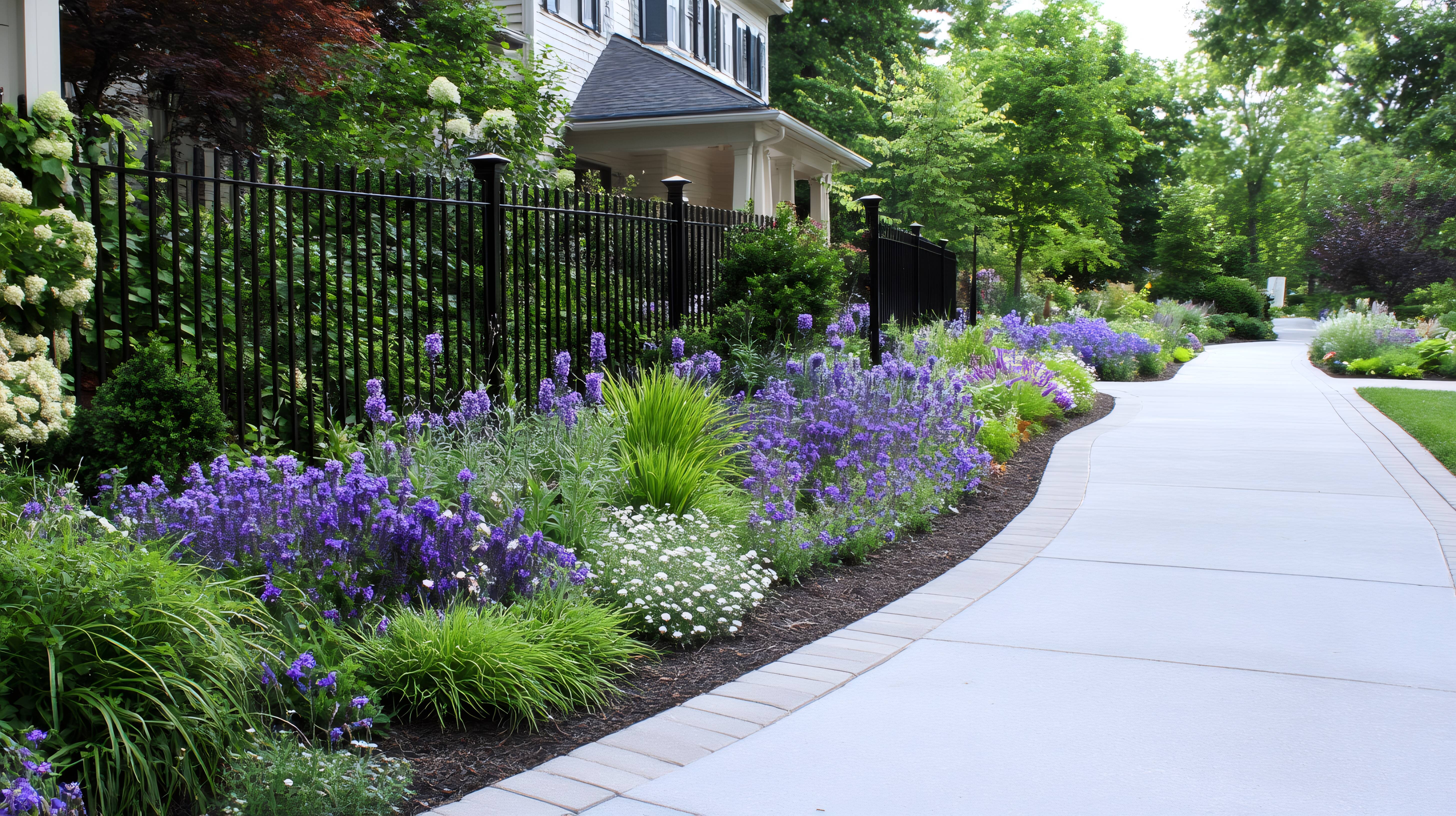
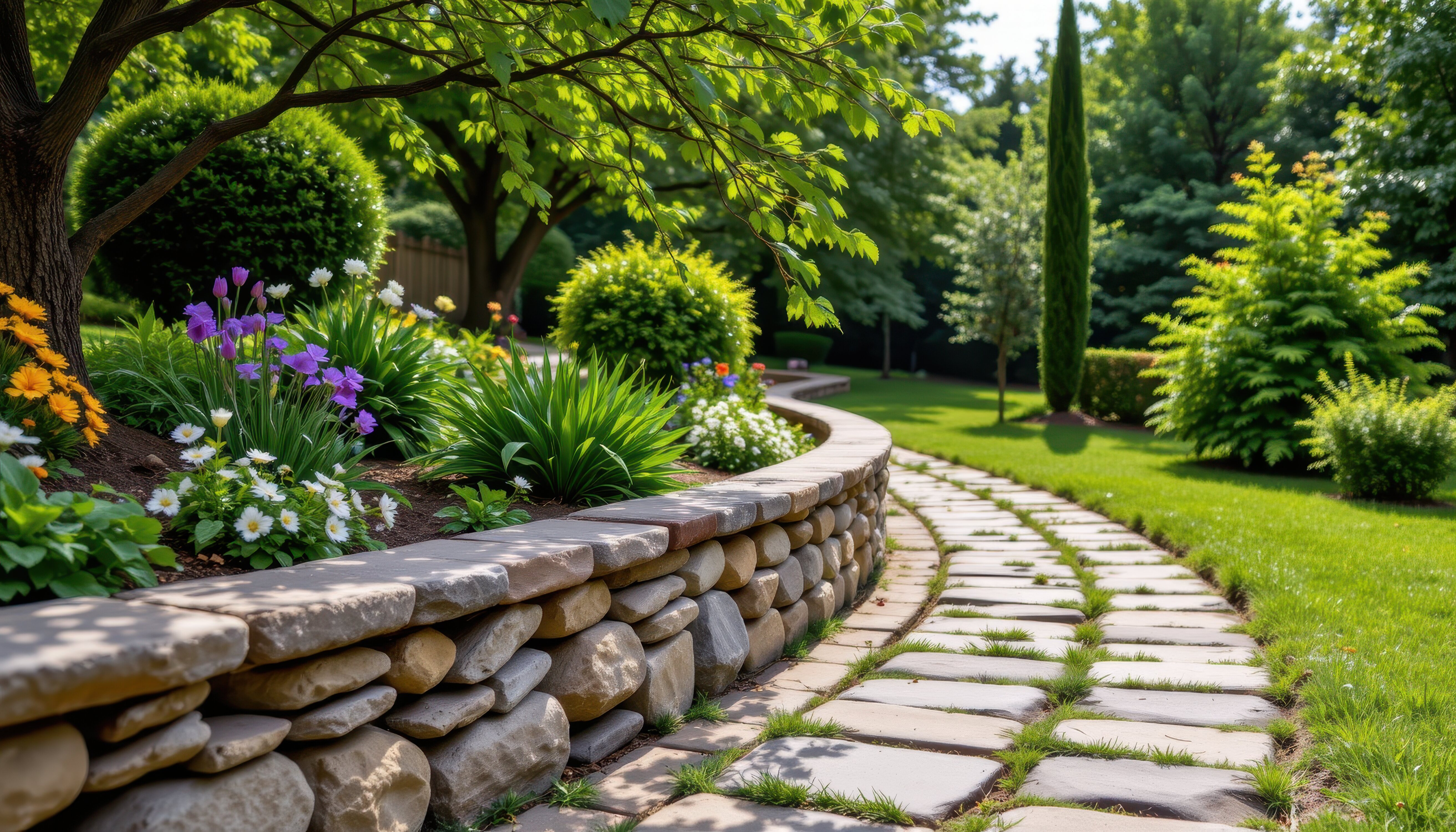
A building is never truly complete until it belongs to its site. In this pillar, we return to the tactile world of hand-rendering and botanical study. You will learn to design the "outdoor rooms" that surround your architecture, focusing on the soft, living elements (plants) and the hard, structural elements (paved areas) that create a seamless flow between the indoors and outdoors. Mastering these skills manually ensures you develop an organic feel for spatial scale, terrain grading, and natural color palettes before moving into digital simulation.
Landscape design is the art of "sculpting the void" around a building. In this pillar, we step away from the structure itself to focus on the site’s ecology and human experience. A building does not sit on a site; it belongs to it. This pillar follows the logical construction sequence used in the field: first, we stabilize the earth and build the permanent infrastructure (Hardscape); then, we breathe life into the space with living materials (Softscape).
By mastering these elements manually, you develop a deep, tactile understanding of spatial volume, ground levels, and seasonal light. You will learn how to lead a visitor through a series of "outdoor rooms," using nothing but a pencil and paper to calculate drainage, select stone textures, and curate a garden that evolves over decades. This is where your architecture gains its context and soul.

LANDSCAPE DESIGN / DIGITAL INTEGRATION
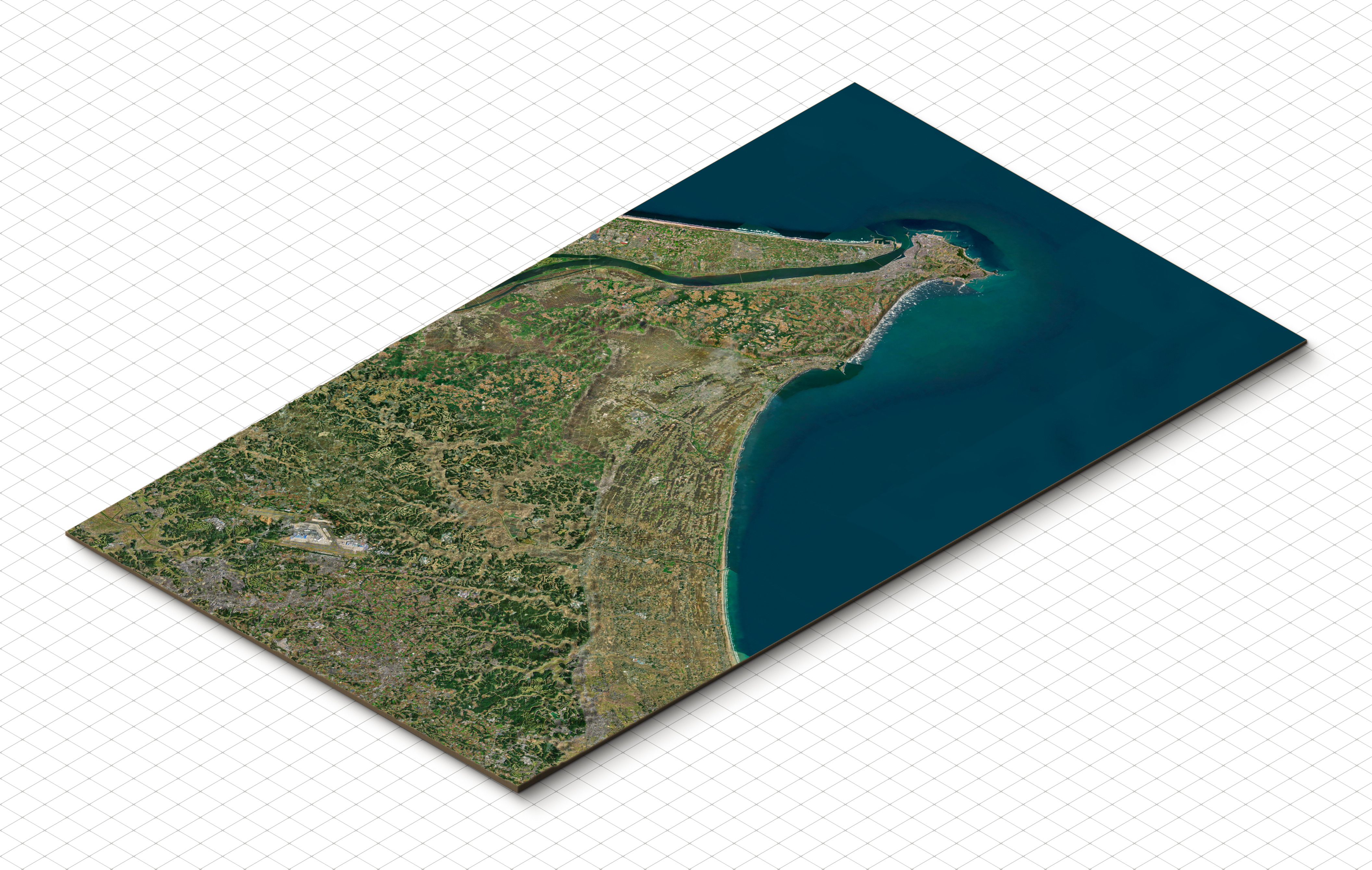
This is where the natural world meets cutting-edge technology. In this pillar, we take the manual engineering and botanical plans from Pillar 5 and breathe life into them using high-end 3D simulation and real-time rendering. While manual design allows for the "soul" of a project, digital integration allows for unprecedented realism and environmental testing.
You will learn to sculpt digital terrain, simulate the growth of complex ecosystems, and control the atmosphere of your site with cinematic precision. By the end of this pillar, you won't just be showing a drawing; you will be inviting your clients to step into a living, breathing virtual world where they can see the wind rustle the leaves, watch the sunset over the terrace, and experience the design in 4K clarity.
PROFFESTIONAL PRACTICE & APPLICATION
To wrap up the journey, we transition from the studio to the industry. Pillar 7 is designed to turn a talented student into a professional practitioner capable of winning clients, managing construction, and launching a career.
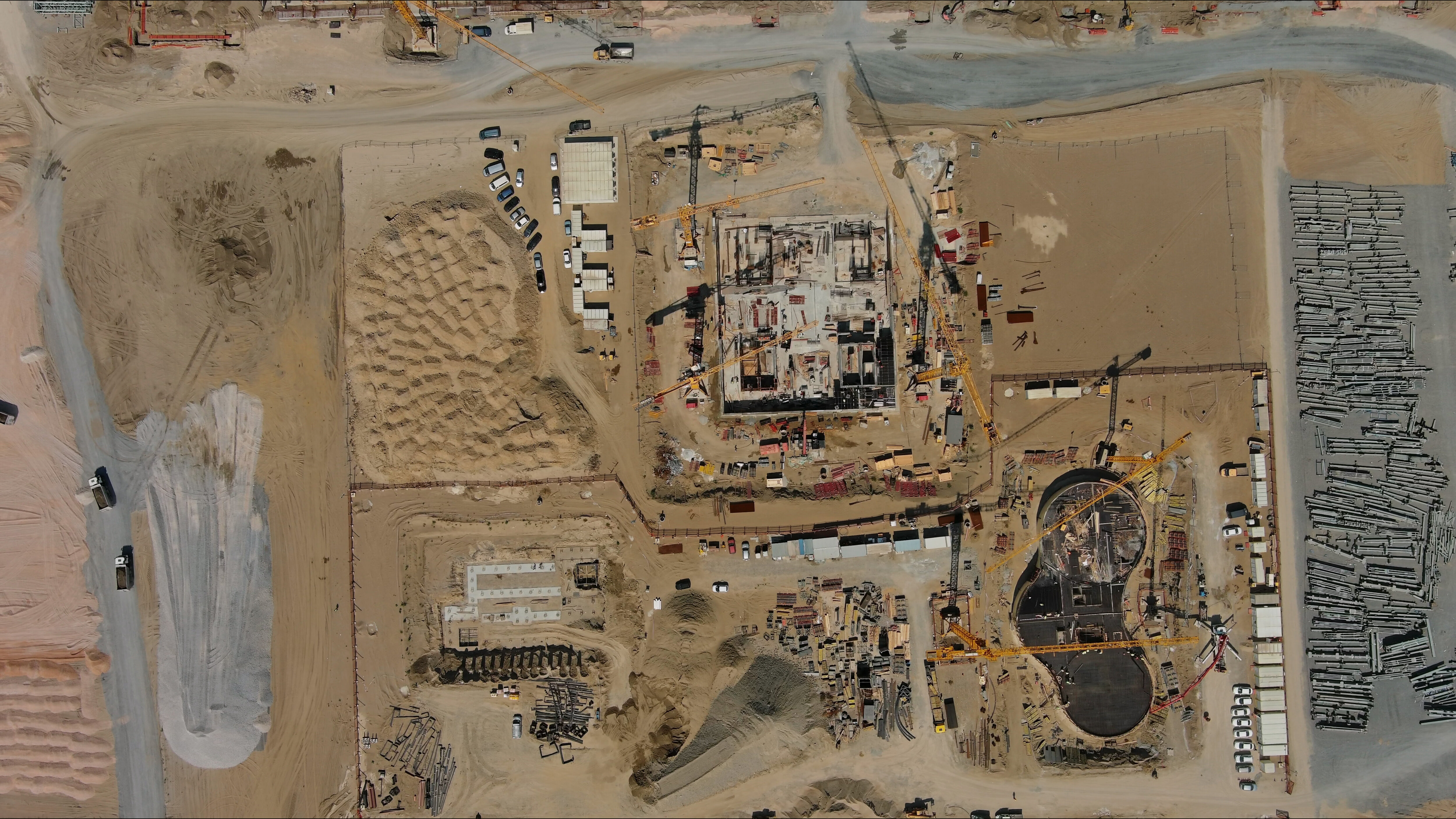
The final pillar bridges the gap between design and reality. Mastering software is only half the battle; a professional exterior designer must understand contracts, construction sets, and client psychology. This pillar focuses on the "Final Output"—transforming your 3D models into legal construction documents and curated portfolios. You will learn the business of design, from how to bid on a project to how to ensure the contractor builds exactly what you envisioned.