INTERIOR DESIGN
Our courses leading to a Diploma in Interior Design are intensive, skill-oriented programs designed to bridge the gap between creative passion and professional industry standards. Typically ranging from 6 months to 2 years, these courses provide a fast-track pathway for career changers and aspiring designers to become job-ready through practical, hands-on learning.
The diploma curriculum is strategically divided into phases that move from foundational design theory to technical mastery and professional practice.
The demand for trained designers is rapidly increasing in sectors like sustainable housing, hybrid workspaces, and experiential retail.
Graduates are prepared for immediate entry into the workforce in roles such as:
Residential or Commercial Interior Designer
Retail & Visual Merchandising Designer
Sustainable Design Specialist
3D Visualizer & Design Consultant
DESIGN PHILOSOPHY & VISUAL LANGUAGE
Design Philosophy & Visual Language serves as the essential starting point for the modern interior designer. This foundational pillar is where instinct meets intellect, moving beyond subjective taste to establish a universal language for creating spaces that are both meaningful and aesthetically powerful.
The core objective is to cultivate the "designer's eye"—the ability to deconstruct a room not just as a collection of objects, but as a carefully curated arrangement of psychological triggers, historical precedents, and visual rhythms.
Students in this pillar learn the difference between seeing a room and understanding it:
They learn how a simple change in the direction of a line or the saturation of a color can fundamentally alter human behavior.
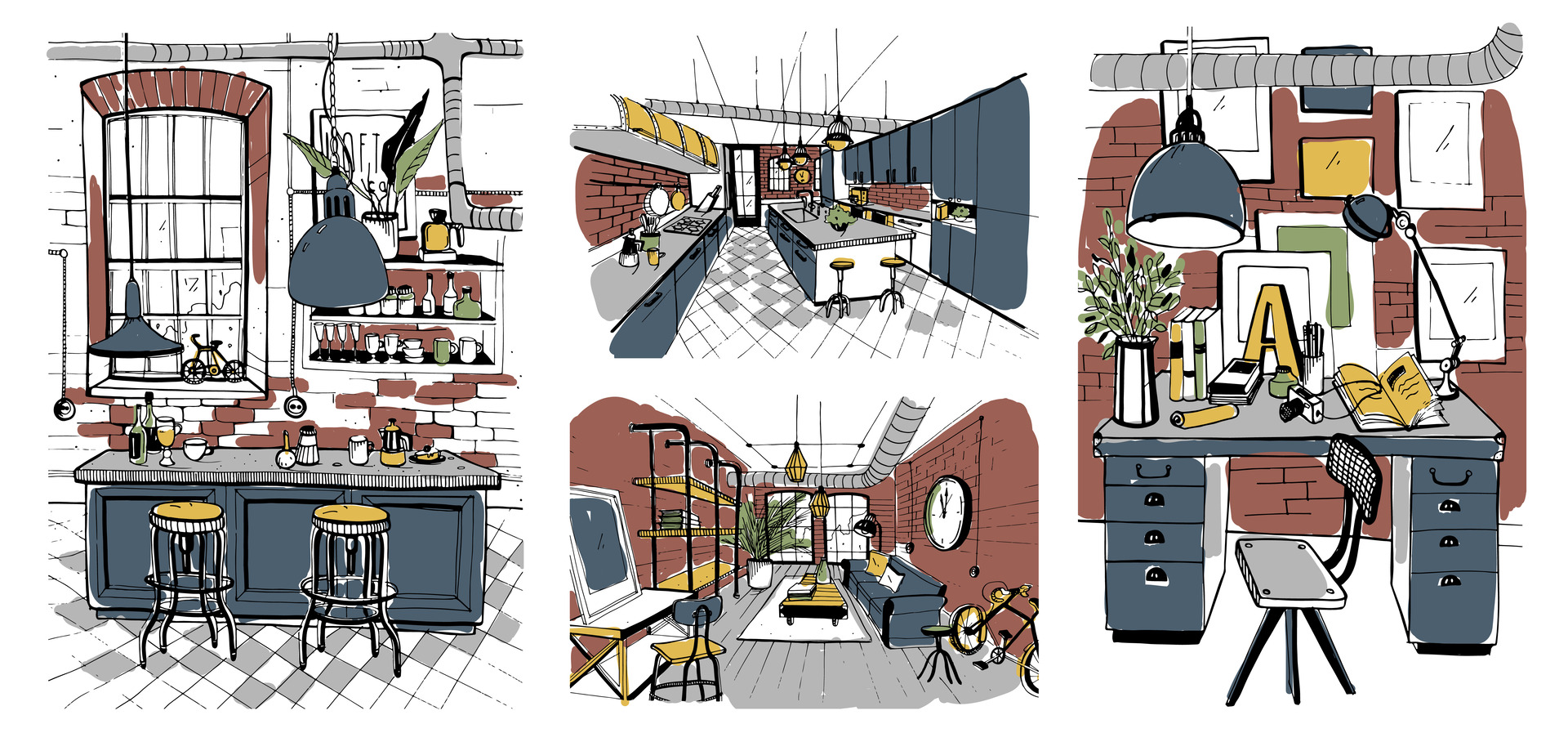
They analyze the meaning behind global design movements (Japandi vs. Industrial) to understand how cultural shifts influence form and materiality.
They translate abstract concepts like light and shadow into concrete tools that define boundaries and evoke specific moods.
By completing this pillar, a student gains the vocabulary and conceptual toolkit required to approach any project with intention, ensuring that every subsequent technical decision in the curriculum serves a clear, powerful narrative.


HUMAN-CENTRIC PLANNING & ERGONOMICS
If Pillar 1 was about the "Soul" of the space, Pillar 2 is about the "Body." This stage of the curriculum shifts the focus from abstract aesthetics to the physical reality of the human being. A beautiful room is a failure if it is uncomfortable, inaccessible, or difficult to navigate.
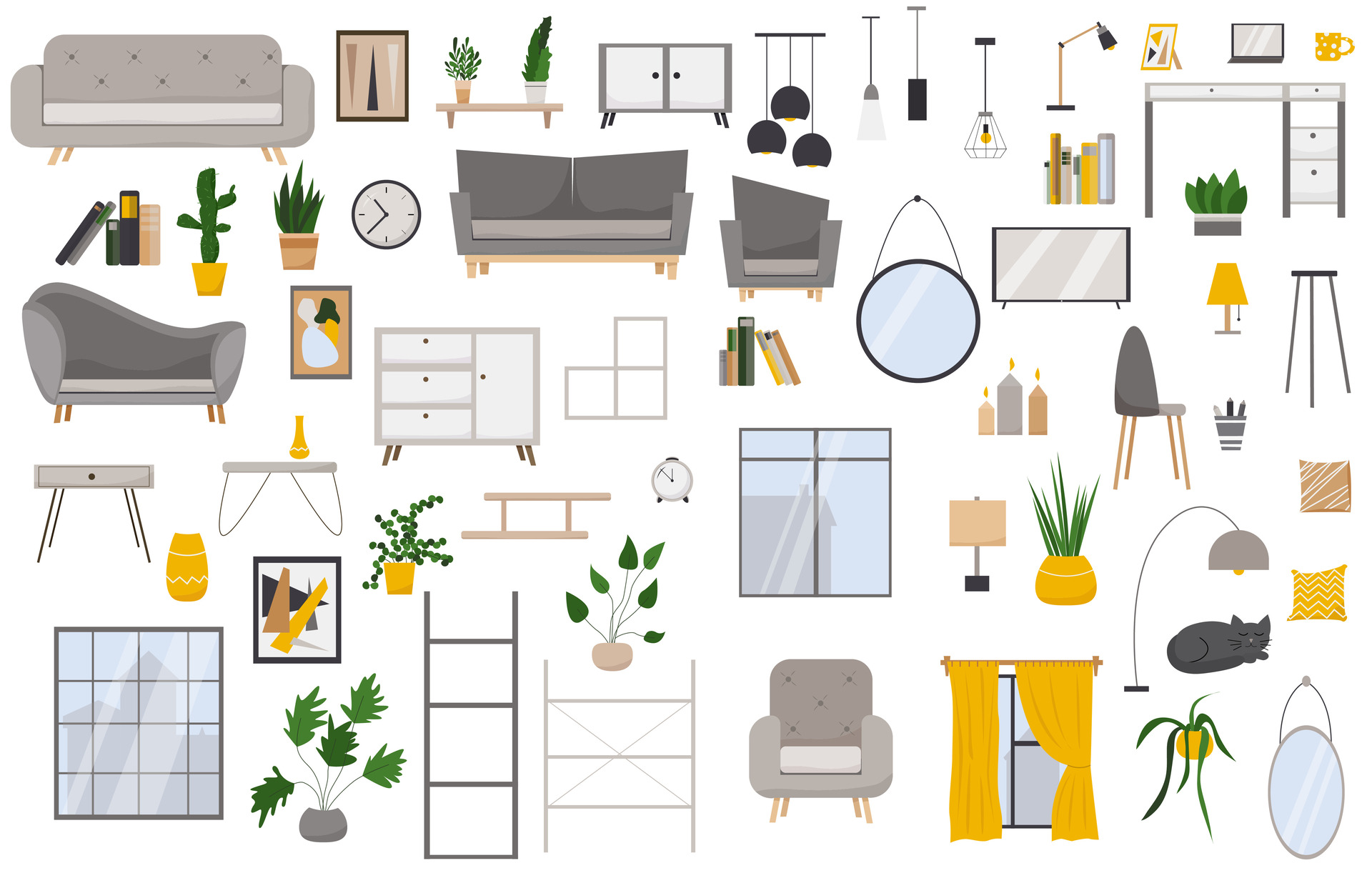
In this pillar, students learn to treat the human body as the primary "measuring stick" for all design decisions. Through the study of Anthropometrics and Ergonomics, the curriculum ensures that every chair height, kitchen counter, and hallway width is optimized for the user's physical well-being. This pillar moves beyond generic layouts to address the specific needs of children, the elderly, and people with diverse physical abilities, ensuring that "Great Design" is synonymous with "Inclusivity."
By the end of this pillar, students will no longer just "place furniture"—they will engineer environments that enhance movement, maximize efficiency, and respect the physical boundaries of the human form.

ARCHITECTURAL SHELL & BOUNDARIES
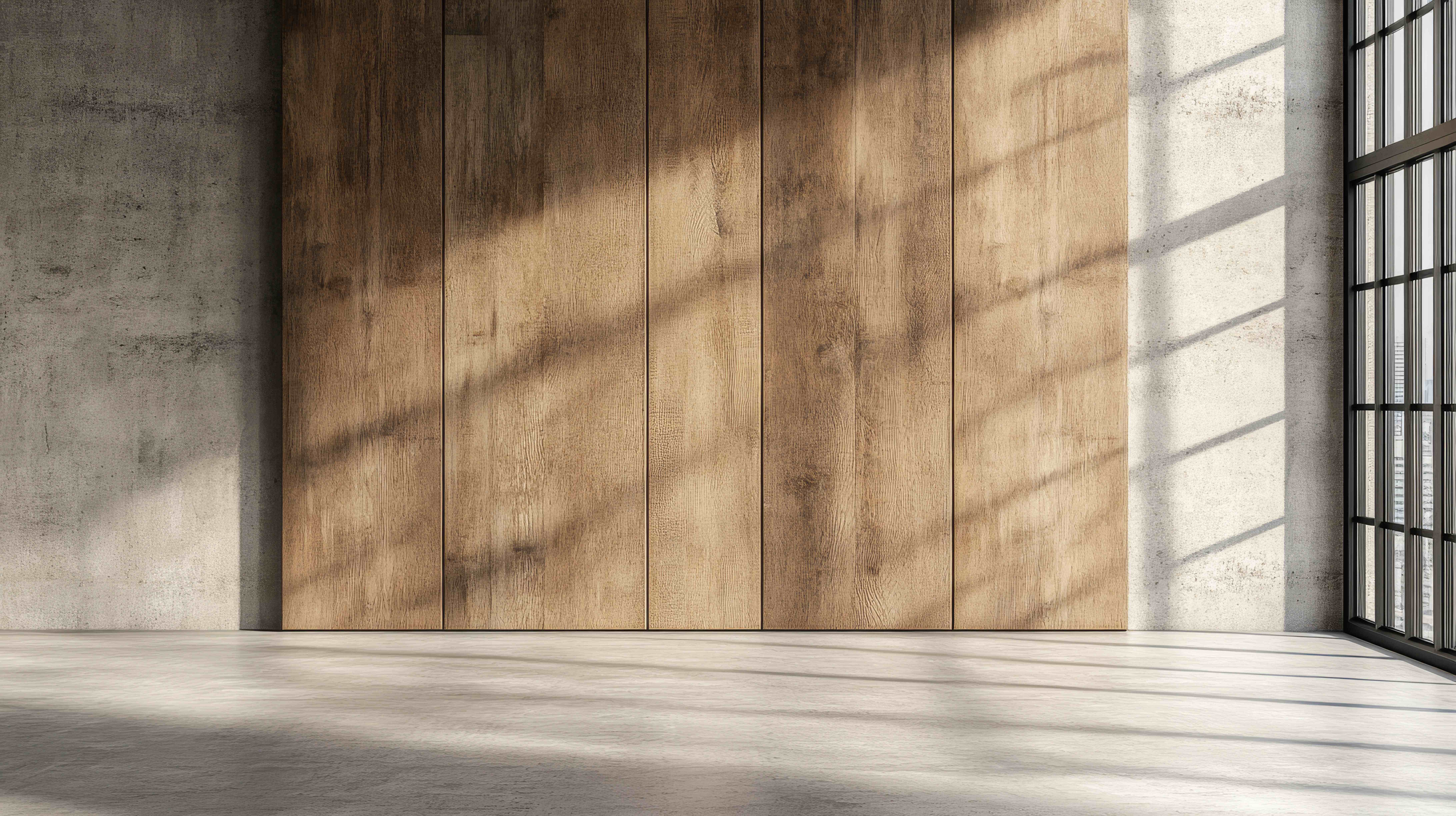
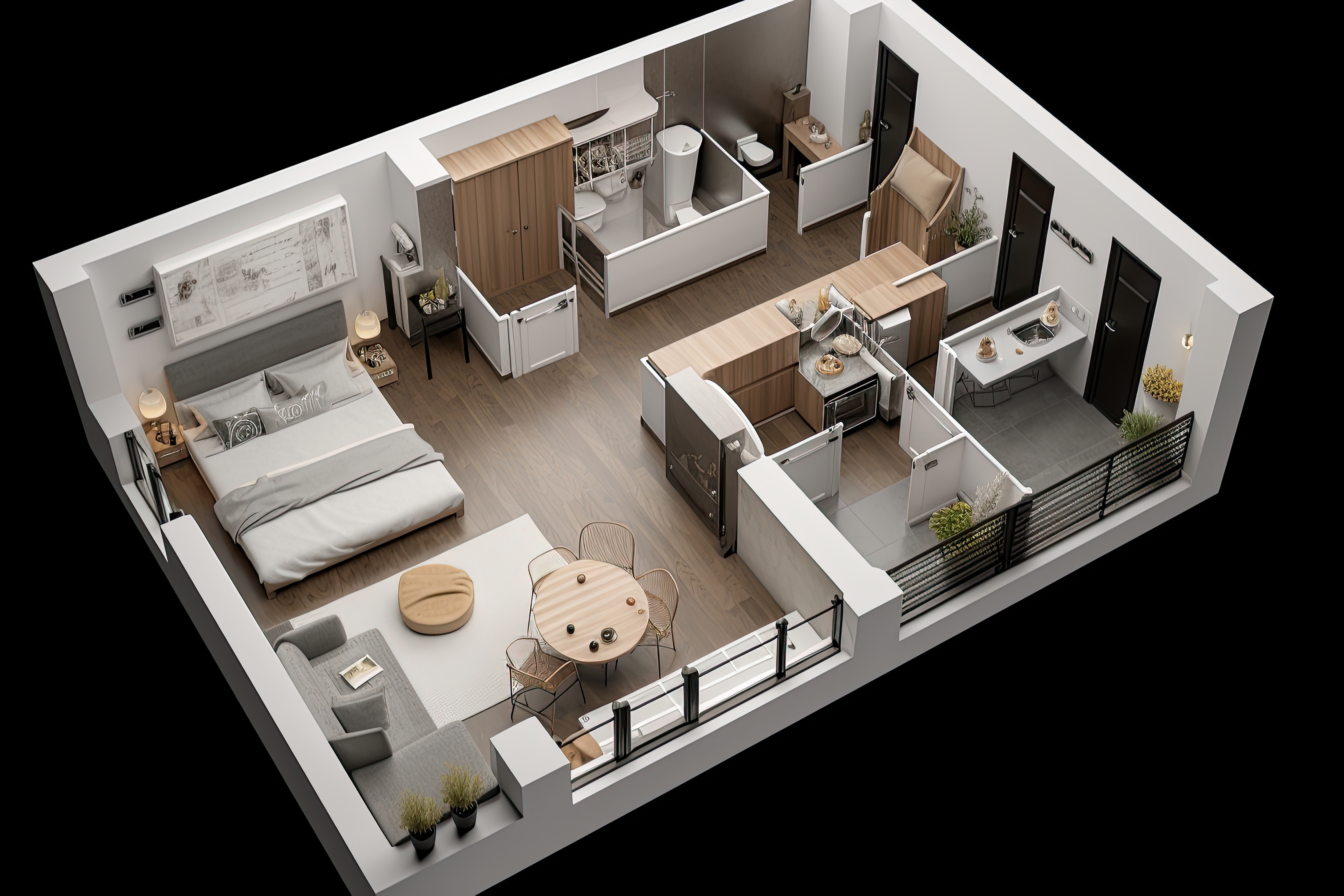
This pillar focuses on the architectural skin of the interior—the walls, floors, and ceilings that define a space’s volume and character. Students will master the transition from heavy, permanent masonry to the lightweight, "smart" boundaries used in modern commercial and luxury residential projects. By the end of this pillar, students will not only understand how to decorate a wall but how to construct, treat, and manipulate the entire architectural shell for maximum aesthetic and functional impact.

TECHNICAL SYSTEMS & SITE ENGINEERING
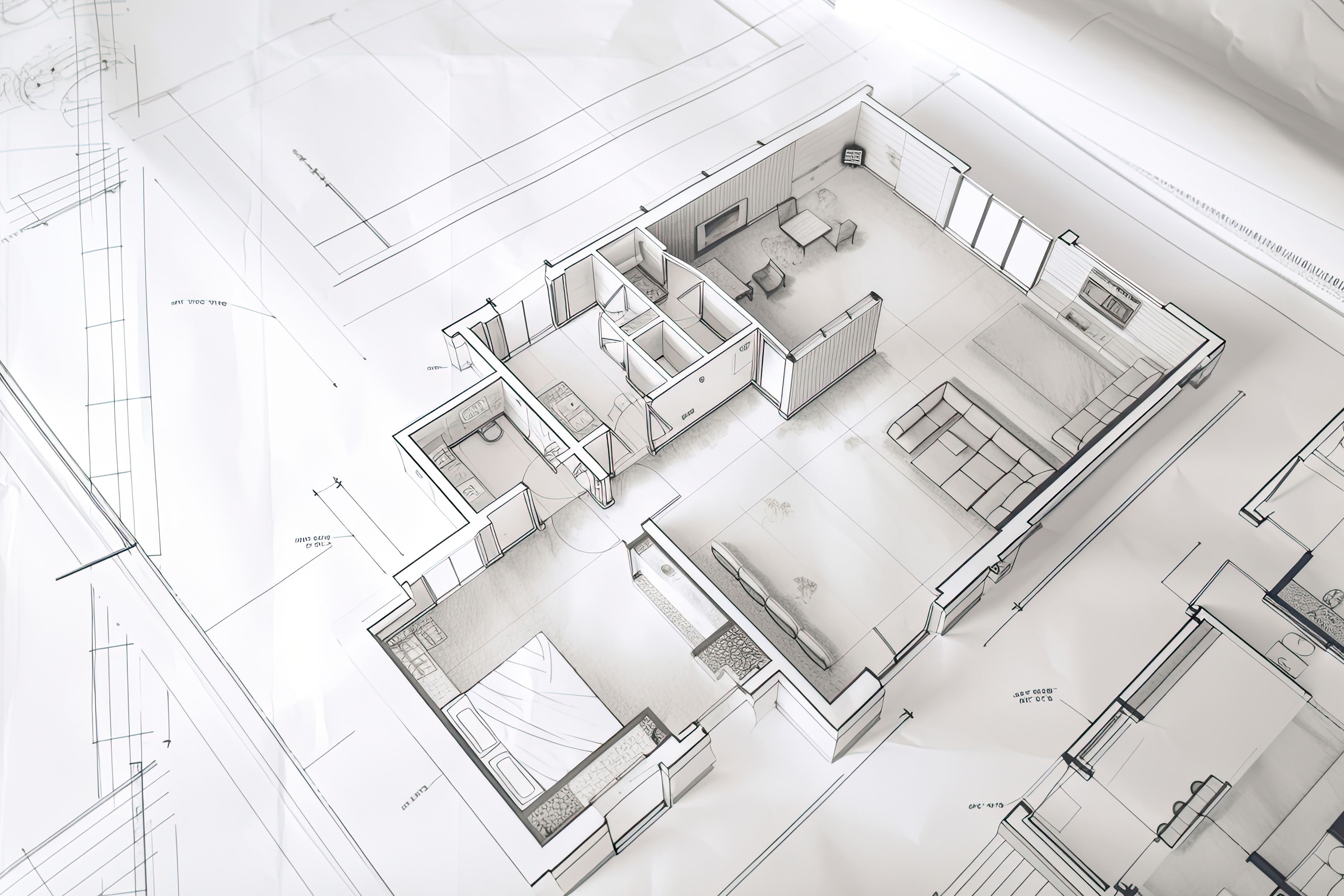
Now that the "Shell" (Pillar 3) is defined based on the "Furniture" (Pillar 2), we must integrate the Life Support Systems. This pillar ensures the space isn't just a pretty box, but a living, breathing, and safe environment.



DIGITAL CONSTRUCTION & 2D-to-3D WORKFLOW
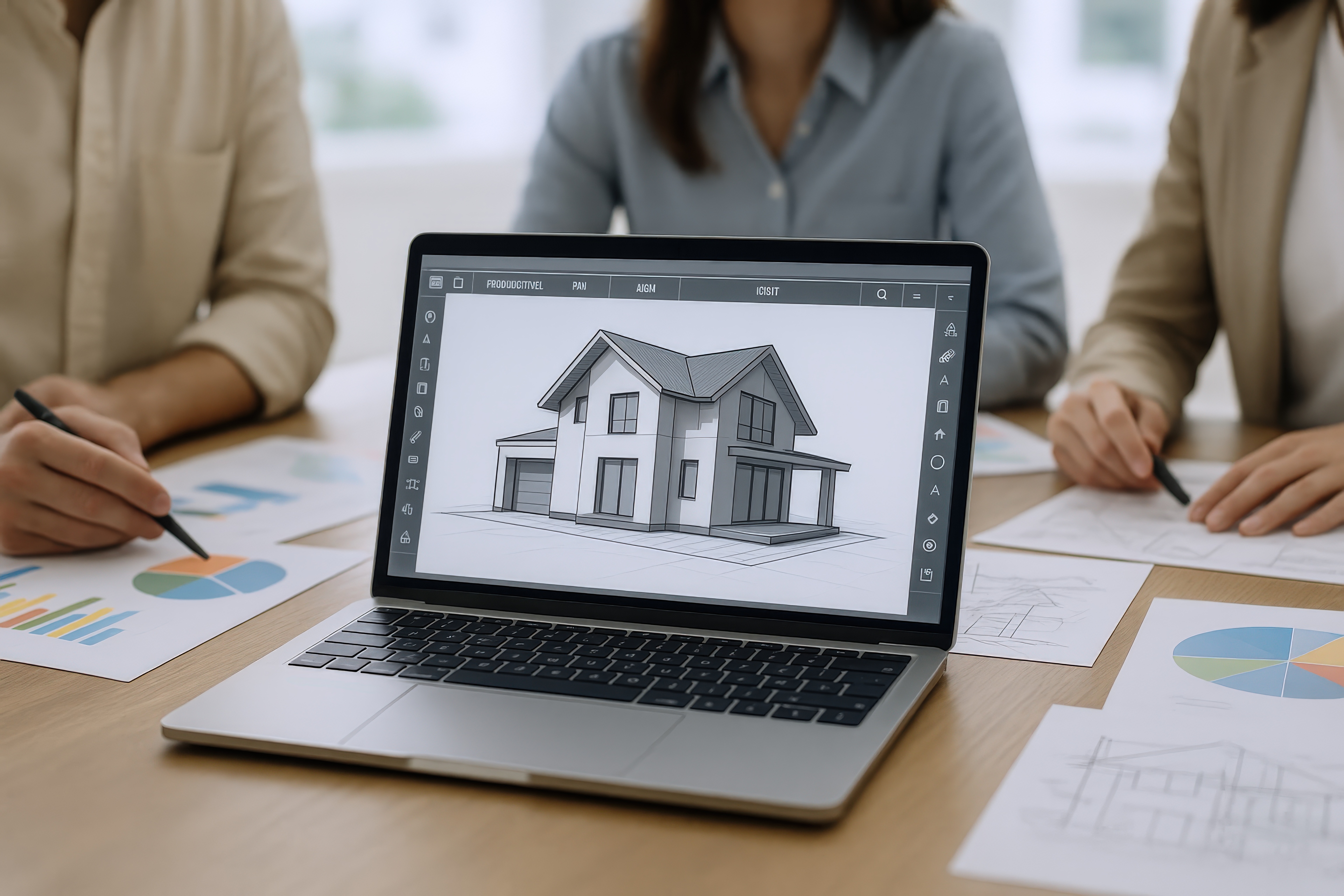
This pillar represents the high-tech heart of the curriculum. Students transition from the creative "Hand" to the professional "Machine," ensuring their designs are technically accurate and ready for the construction site.
We will now use software to finalize the work started in the manual drafting phase.


ADVANCED RENDERING & LIGHT SIMULATION
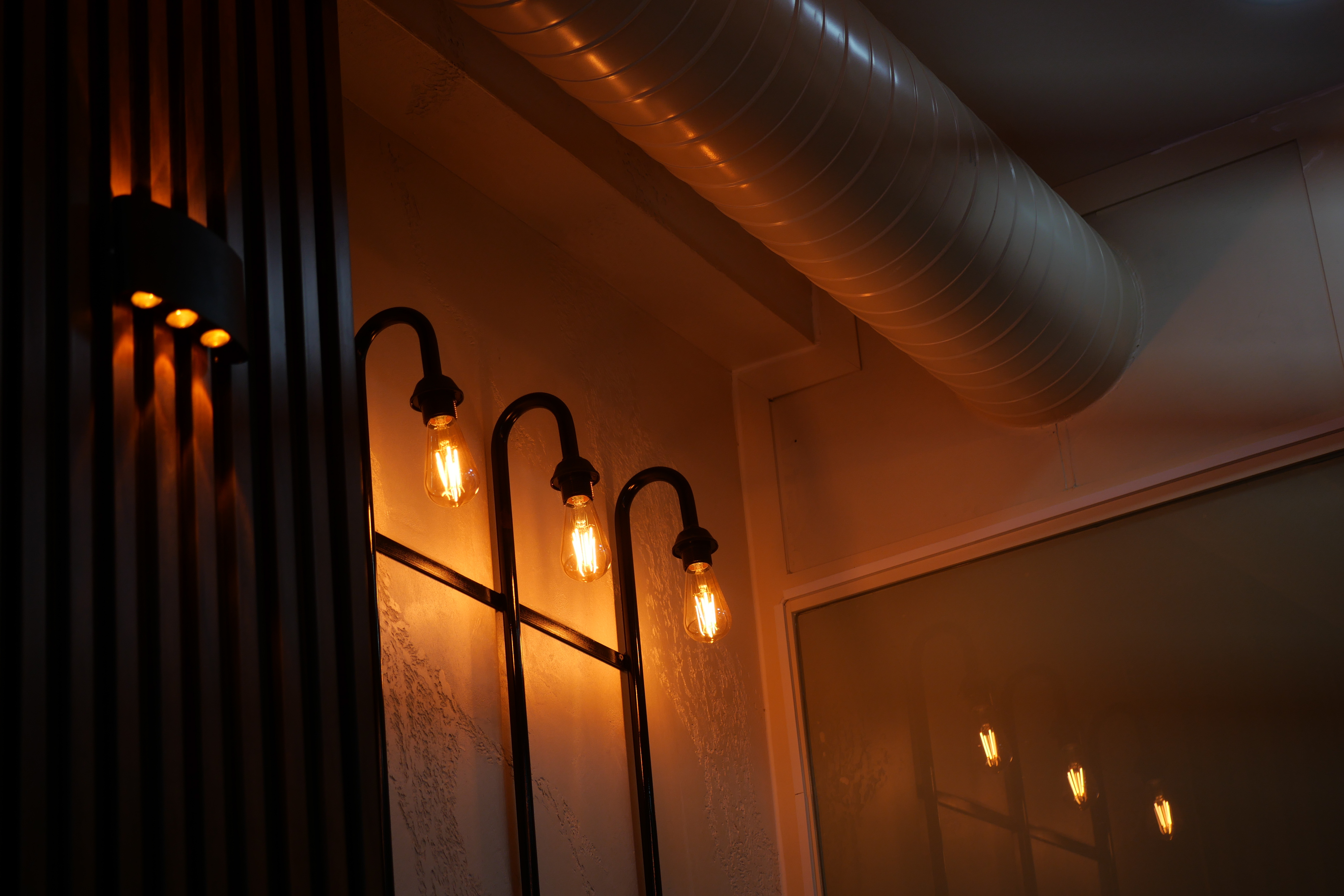
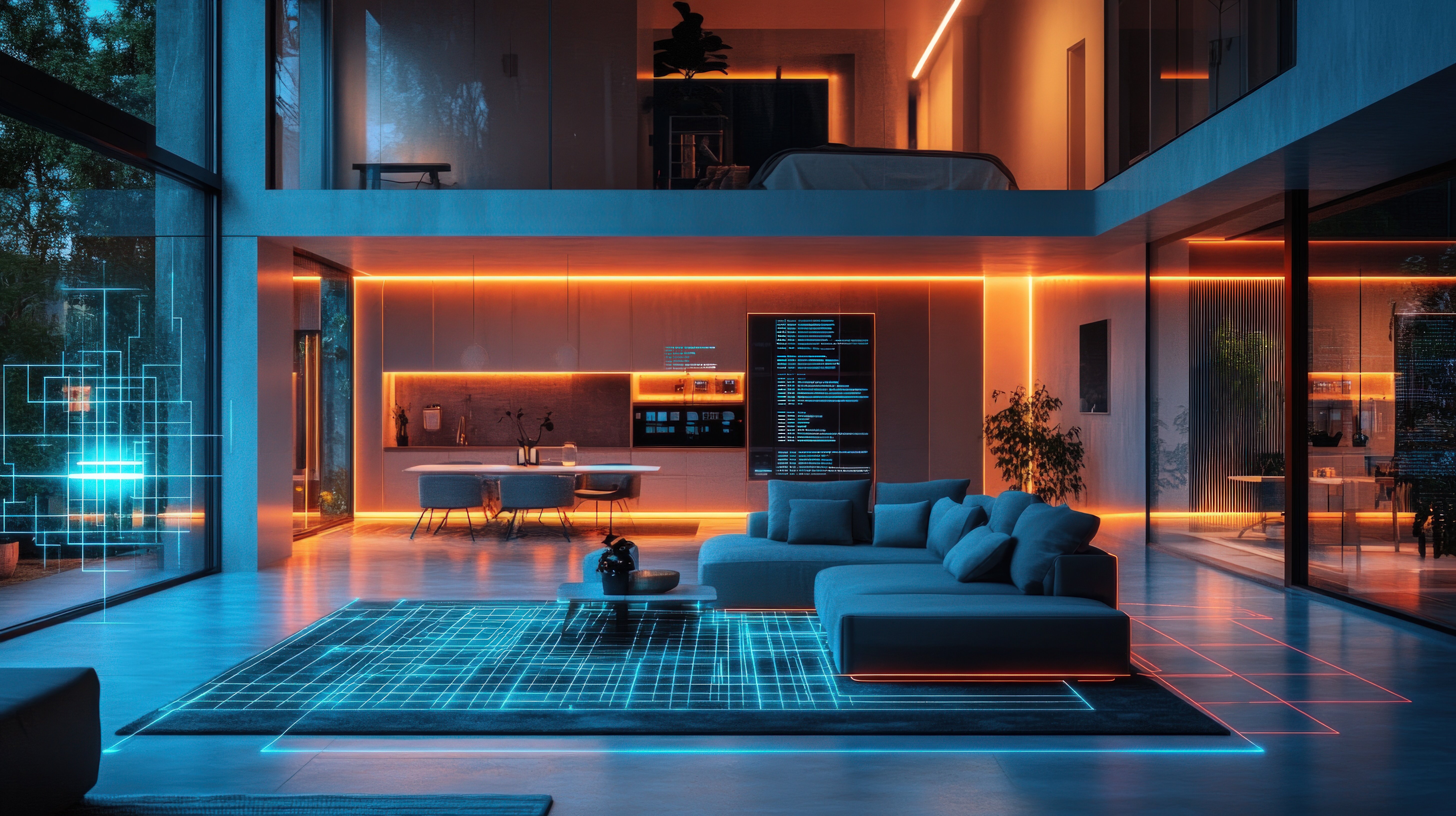
To finalize the technical bridge between modeling and photorealistic art, we will focus on Pillar 6, utilizing Corona Renderer—widely considered the gold standard for interior design in 2026 due to its physical accuracy and user-friendly interface.
PROFRESSIONAL PRACTICE & CAREER LAUNCH
Professional Practice & Career Launch acts as the bridge between the design studio and the global marketplace. While the previous pillars provided you with the "how" of design, this final pillar provides the "how to succeed." It transforms a talented student into a professional consultant capable of managing budgets, leading contractors, and commanding a room.
In this phase, we move beyond the artistic process to focus on the Business of Interior Design. You will learn to navigate the complexities of project management, from the first legal contract to the final site walkthrough. This pillar ensures that your creative vision is backed by the technical and ethical authority required to gain client trust and secure high-value projects.
By the end of this pillar, you will have more than just a set of drawings; you will have a Professional Brand.